

07 Jul 2026

When people hear that you’re planning a family holiday in India, the reaction is usually the same. A raised eyebrow. A pause. Then something like, “Wow… with kids?”
And honestly, it’s a fair question. India is big. It’s loud. It’s intense. It’s not the kind of place where everything runs quietly in the background while you sip a drink by the pool. But here’s the part people don’t always tell you, India can be one of the most rewarding places in the world to travel as a family, if you approach it the right way.
Not rushed. Not overplanned. And definitely not treated like a checklist of famous sights. A family holiday in India isn’t about doing everything. It’s about doing a few things well, together.
India isn’t an “easy” destination, but it is a giving one. Kids don’t just see new places here, they notice how people live. They ask questions. They compare. They get curious. Parents often say their children come back more observant, more patient, and surprisingly more grateful.
And despite the chaos you might expect, India is incredibly warm toward families. Children are welcome everywhere. Strangers smile at them. Hotel staff remember their names. Guides naturally slow things down when kids are around.
The biggest mistake families make is trying to travel in India the same way they would in Europe or the US, with fast, packed schedules, lots of moving around. India works best when you slow down. That’s when it starts to feel less overwhelming and more meaningful.
For a first family trip, the Golden Triangle is popular for a reason. Delhi, Agra, and Jaipur are close enough to travel between by road, well set up for visitors, and varied enough to keep kids interested.
You get:
And most importantly, you don’t spend the entire trip in transit.
Families often underestimate how tiring constant moving can be for kids. The Golden Triangle keeps things manageable.

Delhi is where most families land, and yes, it can feel like a lot at first. Traffic. Noise. Colours everywhere. But Delhi also has a rhythm, special landmarks, real culture and you will be fascinated by how fluid it all seems.
Old Delhi is chaotic in a way that kids often find exciting rather than stressful, as long as it’s done in short bursts. A rickshaw ride through Chandni Chowk is usually enough to feel the energy without getting overwhelmed. Kids love watching sweets being made and people shouting prices across narrow lanes.
New Delhi balances things out. Wide roads, green spaces, and monuments where kids can walk freely without being told to “stay close” every five seconds. India Gate in the evening feels relaxed, with families strolling and vendors selling snacks.
Two nights in Delhi is usually perfect. Enough to get a feel for the city, and get you energized for your next stop! Agra and the Taj Mahal!

Let’s be honest, kids don’t always care about famous monuments. But the Taj Mahal is different. Part of it is the story. A massive white building built out of love? That gets their attention. Part of it is the setting, the symmetry, the reflection in the water, the way it changes colour as the light shifts.
Timing matters here. Early morning visits are calmer, cooler, and far more enjoyable for families. Crowds are smaller, and kids are generally in a better mood before the heat sets in.
Agra Fort is a good follow-up. It feels more interactive, with open spaces and views that help kids imagine what life was like inside royal walls. Agra doesn’t need a long stay. One night in Agra is all you need as Jaipur is next and it is a wonderful city to roam and enjoy with the kids.

Jaipur tends to surprise families. It’s colourful with a vibrant and royal history! Forts here feel like places you can actually explore. Amber Fort is a standout. Kids love the idea of hidden rooms, mirrored walls, and secret passages. Parents appreciate that it’s visually stunning but still open and spacious.
Jaipur also offers something kids rarely get on vacations — the chance to see how things are made. Watching artisans print fabric or carve stone turns shopping into learning, without it feeling like school.
Street food tours, when done properly, are another highlight. Seeing food cooked fresh, choosing mild options, and tasting things together often turns even cautious eaters into little adventurers. Three nights here allows families to enjoy this beautiful and easy city to explore.

One of the most memorable choices families make in India is staying in a heritage property. These places don’t feel like hotels. They feel personal. Quiet. Almost like stepping into another time.
Kids wander. Parents slow down. Meals are unhurried. Staff tell stories. There’s no rush to be anywhere. Even one or two nights in a fort or palace adds something special to the trip, something that feels distinctly Indian and deeply memorable.

Homestays aren’t for every family, but for the right ones, they’re often the most meaningful part of the journey. Staying with a local family allows kids to see everyday life up close. Morning routines. Home cooking. Conversations that don’t feel scripted.
In places like Jaipur, well-run homestays offer privacy and comfort while still feeling warm and genuine. Cooking together, visiting markets, and sharing meals create natural moments of connection.
Children often remember these stays more vividly than luxury hotels, not because they’re flashy, but because they feel real.

Some families choose to include a rural or community-based stay, especially if they have older children. These experiences areabout learning. Understanding how life works outside cities. Seeing how much can be done with very little.
Kids might help with simple tasks, learn a local craft, or walk through a village with someone who lives there. These moments often lead to thoughtful questions and conversations later.
Parents frequently say these experiences change how their children see the world with an open mind and genuine appreciation.
India’s festivals are unforgettable, but they need to be approached carefully with kids.
Diwali is generally the easiest for families. It’s joyful, bright, and centered around home and family. Celebrating it with locals rather than in crowded public spaces makes it feel safe and meaningful.
Holi can be fun too, but smaller towns or controlled settings work best. Old clothes, gentle expectations, and local guidance are essential.
When done thoughtfully, festivals can become memorable highlights.

For families from the US, October to March is the sweet spot. The weather is manageable, sightseeing is comfortable, and travel feels easier overall. December and January can be cool in the mornings, especially in northern India, but most families find that refreshing. Summer months are usually too hot for young children and not ideal for first-time visits.
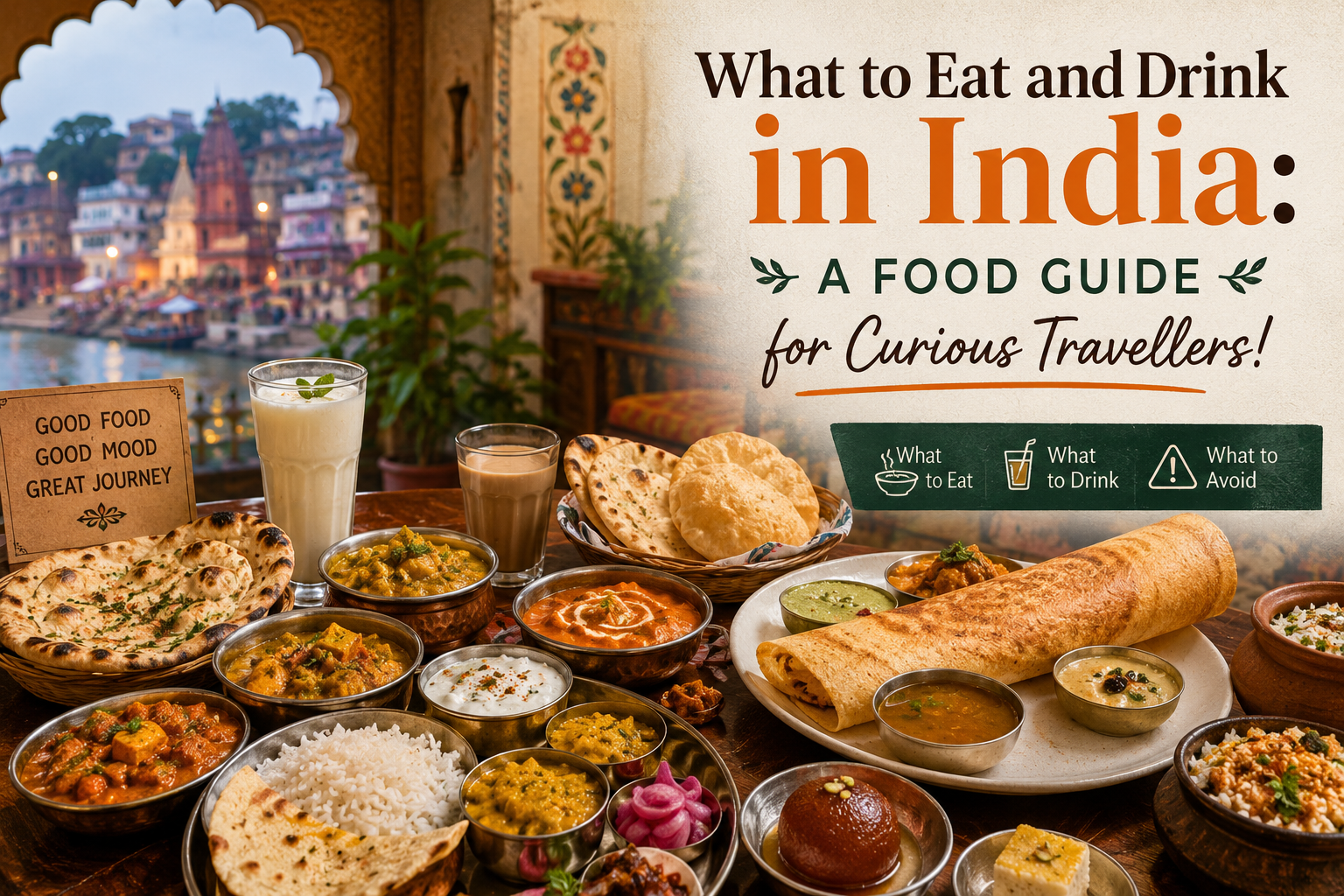
Private transportation changes everything. It allows flexibility, comfort, and stops when kids need them. Food is rarely a problem. Most hotels are happy to adjust spice levels and offer familiar options. Kids don’t have to eat “Indian food” at every meal unless they want to.
Good guides make a huge difference. The best ones don’t just explain history, they read the room, adapt to kids, and know when to move on. Ten days is a comfortable minimum. Two weeks allows the trip to breathe.
India isn’t always smooth. Things don’t always run exactly on time. Plans sometimes shift. But families who embrace that, who allow space for surprise and flexibility, often say India becomes one of their most meaningful trips.
Kids learn by being there. Parents see their children grow in confidence and curiosity. Everyone comes home with stories that don’t sound like anyone else’s vacation. A family holiday in India isn’t perfect. But it’s real. And that’s why it stays with you.

16 Nov 2026

11 Nov 2026

03 Nov 2026

31 Oct 2026

27 Oct 2026

23 Oct 2026

20 Oct 2026

15 Oct 2026

11 Oct 2026

02 Oct 2026

24 Sep 2026

09 Sep 2026

31 Aug 2026
19 Aug 2026
05 Aug 2026

31 Jul 2026

27 Jul 2026

21 Jul 2026

17 Jul 2026

13 Jul 2026

09 Jul 2026
07 Jul 2026

03 Jul 2026

30 Jun 2026

27 Jun 2026

23 Jun 2026

19 Jun 2026

16 Jun 2026

12 Jun 2026

09 Jun 2026
 4.9 based on 298 reviews

Rating: 5/5 | 54 Reviews

Rating: 5/5 | 298 Reviews

TrustScore: 4.4 | 11 Reviews