

19 Jun 2026

India is a beautiful place, with countless attractions, activities, and experiences to explore, making it challenging to know where to begin. Walking through an old temple in Varanasi or Rishikesh, watching people pray by the river. Standing in front of the Taj Mahal, drifting through the backwaters of Kerala on a houseboat, or exploring colourful markets and forts in Rajasthan.
There’s spirituality everywhere, whether it’s the evening aarti on the Ganges, the peaceful atmosphere of the Golden Temple in Amritsar, or small roadside shrines you pass without planning to stop.
There’s also nature and adventure, wildlife safaris in national parks like Ranthambhore or Kanha, quiet hill towns in the Himalayas, and slow village life in places far away from the busy cities.
Rajasthan is one of those places where history doesn’t feel distant. It’s right there, in the walls, the courtyards, the views over small villages and dry hills. Yes, the big forts like Mehrangarh in Jodhpur and Amber Fort in Jaipur are impressive. You should see them. But staying in a smaller fort or palace is a very different experience, and honestly, a much better one.
Places like Fort Rawla in Narlai don’t feel like hotels in the usual sense. They feel lived in. You wake up to village sounds, not traffic. You can walk outside and see daily life happening, people going to work, kids playing, animals being herded through narrow lanes. In the evening, you might climb a nearby hill, sit quietly, and watch the light change. No rush. No schedule. Just explore.
Chanoud Garh is another place where things feel personal. It’s family-run, and you notice that immediately. Meals feel like home cooking, conversations happen naturally, and no one is trying to impress you. You’re just… there. And that’s what makes it special.
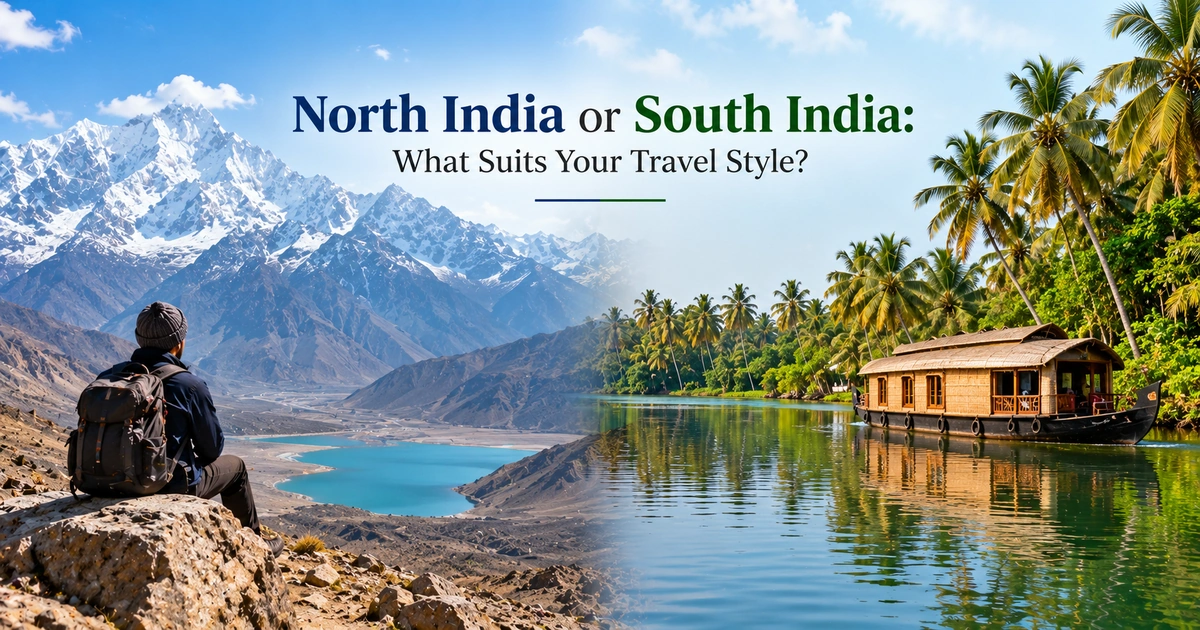
If Rajasthan feels dramatic, Kerala feels like someone turned the volume down. The backwaters are one of the few places where people genuinely relax. Staying on a houseboat isn’t about luxury, it’s about pace. You move slowly through canals, past villages, coconut trees, and fishermen going about their day.
There’s not much to do on a houseboat, and that’s kind of the point. You eat, you sit, you watch, you nap. Someone might wave at you from the bank. Birds fly low over the water. The air cools in the evening.
If you’re coming from cities or a packed itinerary, this part of the trip often feels like a reset. Northern Kerala is even quieter. Fewer tourists, fewer boats. If you want space and silence, go there.
Expect:
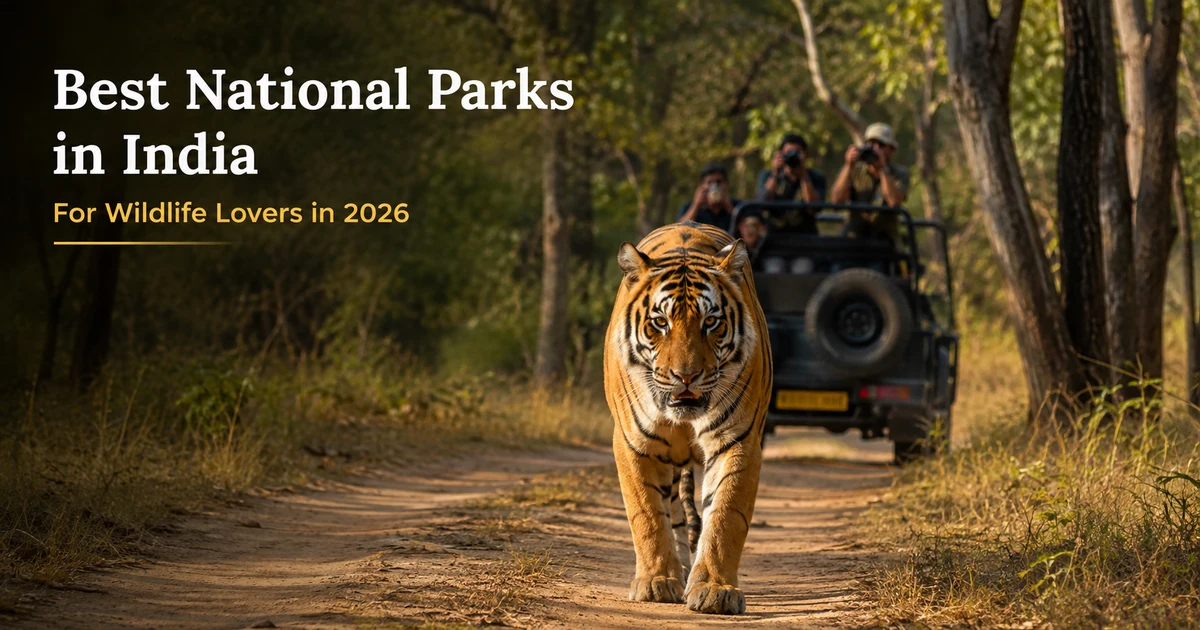
A lot of people don’t realise how much wildlife India has. Once you leave the cities, the landscape changes quickly. Places like Ranthambhore are popular for a reason, they’re accessible and well-run. Seeing a tiger is never guaranteed, and that’s how it should be. Some people see one, some don’t. Either way, being in the forest is the real experience.
If wildlife really matters to you, central India is where you want to be. Kanha, Bandhavgarh, Pench, Tadoba, they all feel different, but they share a sense of space and quiet you don’t get elsewhere.
Satpura is especially interesting because it’s not just about sitting in a jeep. You can walk with a guide, take a boat ride, and see things at ground level. It feels more connected, less like a checklist. Even without dramatic sightings, the forests stay with you.
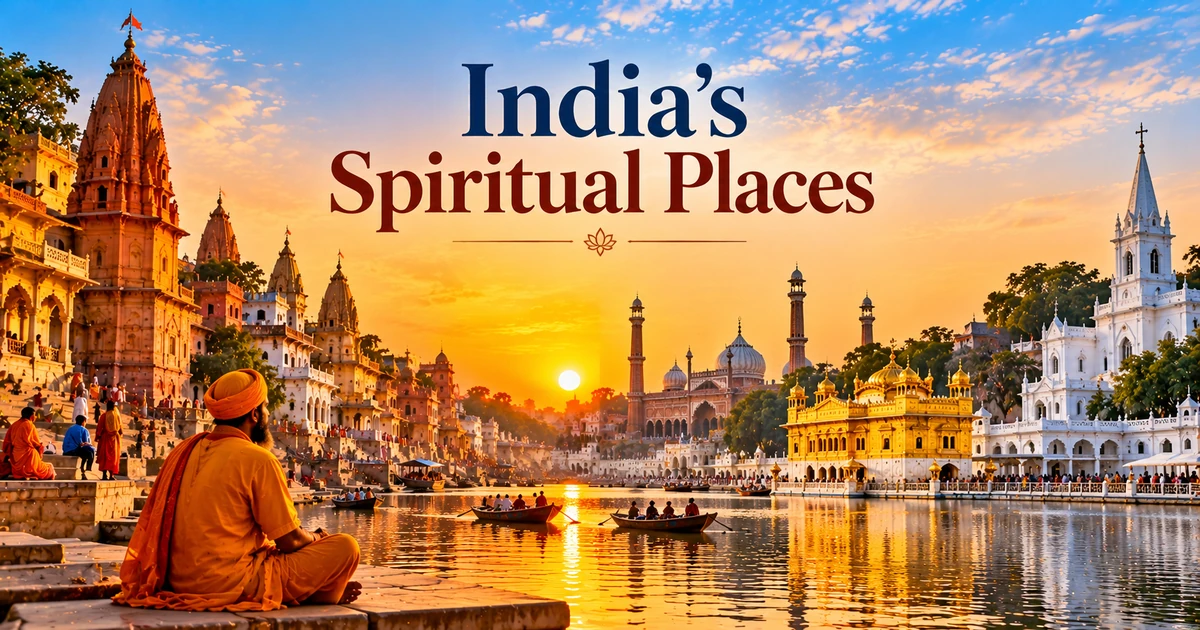
Religion in India isn’t something that happens behind closed doors. It’s everywhere, on the streets, by rivers, in homes, in conversations.
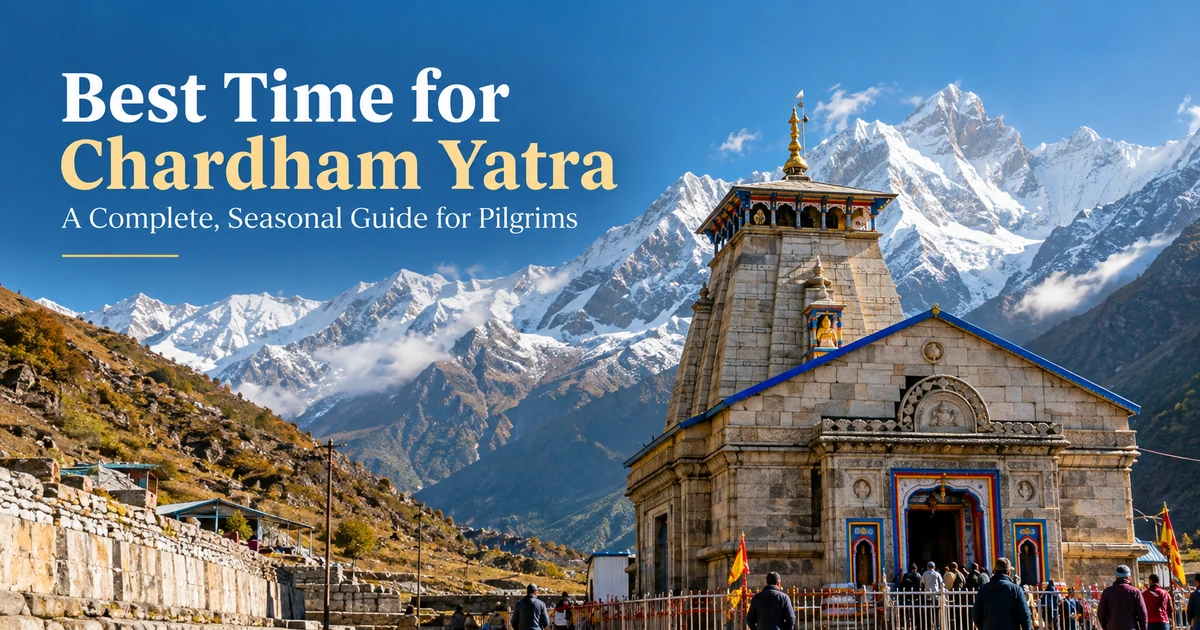
In Rishikesh and Haridwar, the Ganges flows out of the mountains. Every evening, people gather by the river. There’s chanting, fire, bells, smoke, and crowds Feel welcomed to join in the chants and prayers for the real spiritual experience. you’the. This is daily life.
You don’t need to understand the rituals. Just stand there and watch. It’s okay to be quiet. The Golden Temple in Amritsar feels very different. Calm. Grounded. Sitting by the water, watching people pray or simply sit in silence, you feel something slow down inside you.
The free meal served there, to everyone, no questions asked, says more about Sikh values than any guidebook ever could.
Varanasi isn’t comfortable. And it doesn’t try to be. It’s loud, crowded, emotional, and sometimes hard to process. Life and death exist side by side in a way most people aren’t used to seeing.
The best way to experience it is from the river. Early morning is quiet. People bathe, pray, and go about their routines. It feels personal.
Evening is the opposite. Crowds gather. The aarti ceremony fills the air with sound and fire. Candles float down the river carrying prayers. Some people love Varanasi. Some people struggle with it. Both reactions are normal.
The Taj Mahal is busy. There’s no way around that. But if you go early, really early, it’s different. Sunrise is calm. The marble looks softer. The space feels more open.
If you want another perspective, walk through Kachpura village across the river. You see the Taj in the distance while farmers work and kids play. It reminds you that this isn’t just a monument, it exists alongside real life.
Some of the best parts of India don’t look exciting on paper. Villages. Small towns. Places where there’s no big attraction. Staying in a homestay changes how you experience the country. You eat what the family eats. You follow their rhythm. You listen more than you talk.
At Shahpura Bagh, evenings turn into long conversations, not planned, just natural. In Kerala, places like Dewalokam feel less like accommodation and more like being welcomed into someone’s life.
You might walk through spice gardens, sit quietly, or help cook. Or you might do nothing at all. That’s okay.
India can be overwhelming. When it is, the mountains help. Hill stations like Shimla and Darjeeling offer cooler air and slower days. The old toy trains move at a pace that forces you to stop checking the time.
The journey can be long. Sometimes uncomfortable. But arriving in the hills feels like stepping into a pause.
Festivals change everything. Diwali, the festival of lights, fills streets and homes with candles, fireworks, and energy. The experience changes depending on where you are, which makes it even more interesting.
Holi is loud, colorful, and impossible to avoid. People throw colored powder and water, and suddenly everyone is part of the same celebration. Many travelers choose to celebrate at their hotel for a more relaxed version — still fun, just less chaotic.
If festivals are important to you, plan early. Accommodation fills up fast
Cities like Mumbai are extreme, but they show you India’s contradictions clearly. You’ll see wealth and hardship next to each other. Tradition and modern life overlap. Exploring with a local helps a lot, it adds context and balance. Mumbai especially stays with people. It’s fast, crowded, frustrating, and strangely warm.
India isn’t about perfect moments. It’s about real ones. You’ll get lost. Plans will change. Some days won’t go how you imagined. And somehow, those days often become the ones you remember most. Go slow. Be patient. Stay curious. India doesn’t open up all at once, but when it does, it stays with you.

16 Nov 2026

11 Nov 2026

03 Nov 2026
31 Oct 2026
27 Oct 2026
23 Oct 2026
20 Oct 2026

15 Oct 2026

11 Oct 2026

02 Oct 2026

24 Sep 2026
09 Sep 2026

31 Aug 2026
19 Aug 2026
05 Aug 2026

31 Jul 2026

27 Jul 2026

21 Jul 2026

17 Jul 2026

13 Jul 2026

09 Jul 2026

07 Jul 2026

03 Jul 2026

30 Jun 2026

27 Jun 2026

23 Jun 2026
19 Jun 2026

16 Jun 2026

12 Jun 2026

09 Jun 2026
 4.9 based on 298 reviews

Rating: 5/5 | 54 Reviews

Rating: 5/5 | 298 Reviews

TrustScore: 4.4 | 11 Reviews