

19 Aug 2026
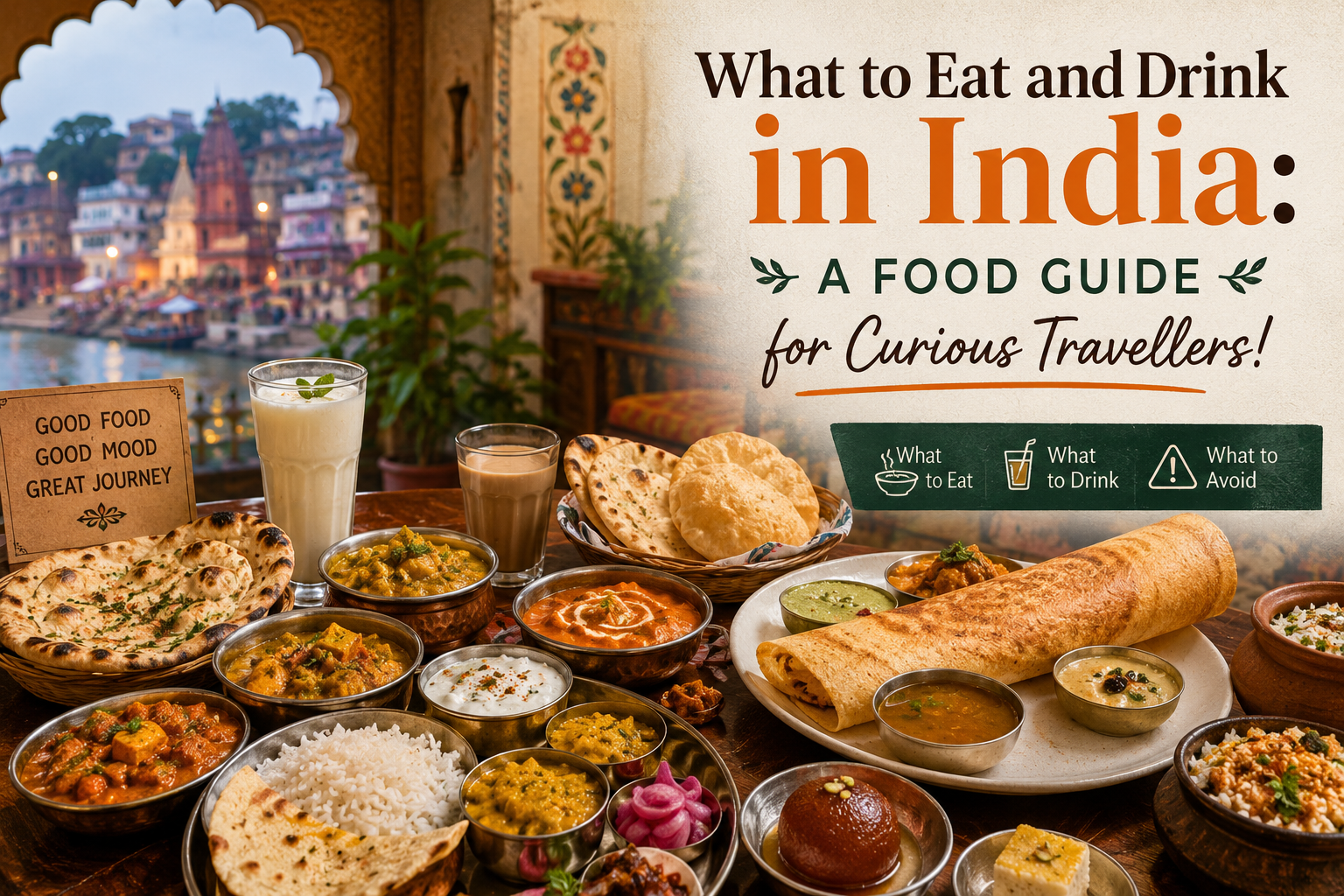
For many travellers coming to India from the United States, food quietly becomes the part of the trip they think about the most. Not always immediately, but later. A cup of chai you didn’t expect to enjoy. A simple lunch that somehow felt grounding. A dinner that went on longer than planned.
Indian food isn’t something you rush through or “try once.” It reveals itself slowly. What people eat here is shaped by where they live, what grows nearby, the season, religious customs, and habits passed down over generations.
India doesn’t have one food culture. It never really did. What people eat in Delhi often feels familiar, the kind of food that comforts you. In Chennai, meals are lighter, sharper, built around rice and tang. Mumbai eats quickly, standing up, on the move. And in Kolkata, food feels emotional, almost personal, like something tied to memory rather than hunger.
This guide is for travellers planning their journey with Kapil India Tours, especially those who want to eat without second-guessing every menu, understand what’s arriving at the table, and enjoy Indian food without feeling lost.
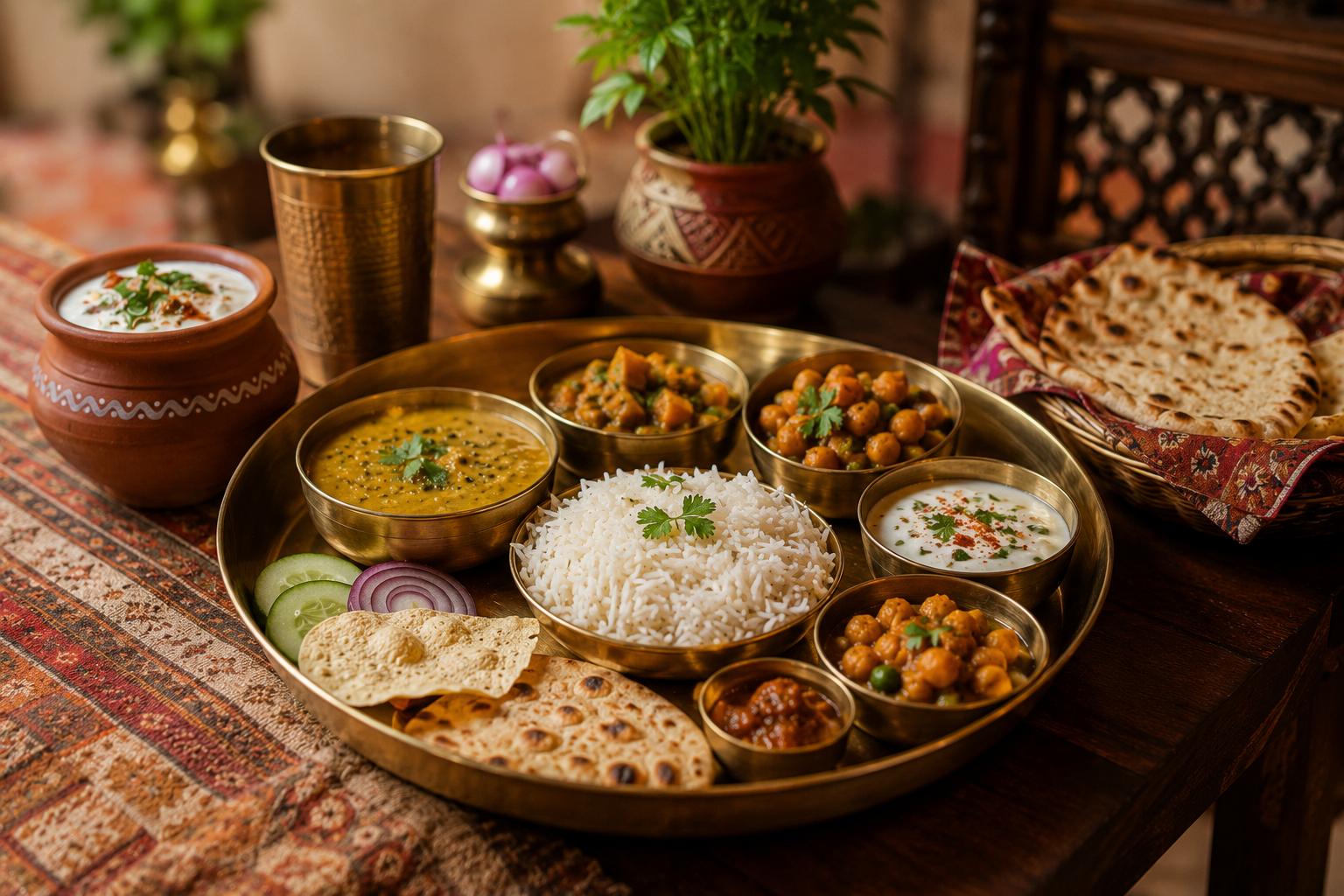 Indian meals don’t arrive the way many American travellers expect. There usually aren’t courses. Everything comes together, sometimes all at once, sometimes in a loose rhythm that doesn’t really follow rules.
Spices aren’t used to shock you. They’re layered slowly, often with digestion in mind. You’ll notice that no single dish is meant to stand alone. Each one fills a small role.
A typical Indian meal often includes:
Meals aren’t rushed, especially once you leave major cities. People sit. They talk. They pause. Travellers who slow down instead of pushing through meals tend to enjoy them more than they expect.
 -1791823278.png)
Rice isn’t a side dish, it’s the centre. Everything else moves around it. In the north, long-grain basmati rice is common, especially with curries.
In Kerala, red rice is served at every meal, offering a slightly nutty, filling option without being heavy. In parts of the northeast, sticky rice is eaten by hand, quietly and without ceremony.
One of the most talked-about rice dishes in India is biryani. People talk about it like it’s one thing, but it isn’t. Biryani is layered, sealed, and cooked slowly so flavours have time to settle into each other.
Everyone claims their version is the best. Many travellers end up remembering the biryanis of Hyderabad for their depth and aroma, but honestly, the best one is often just the one you weren’t expecting to eat that day.
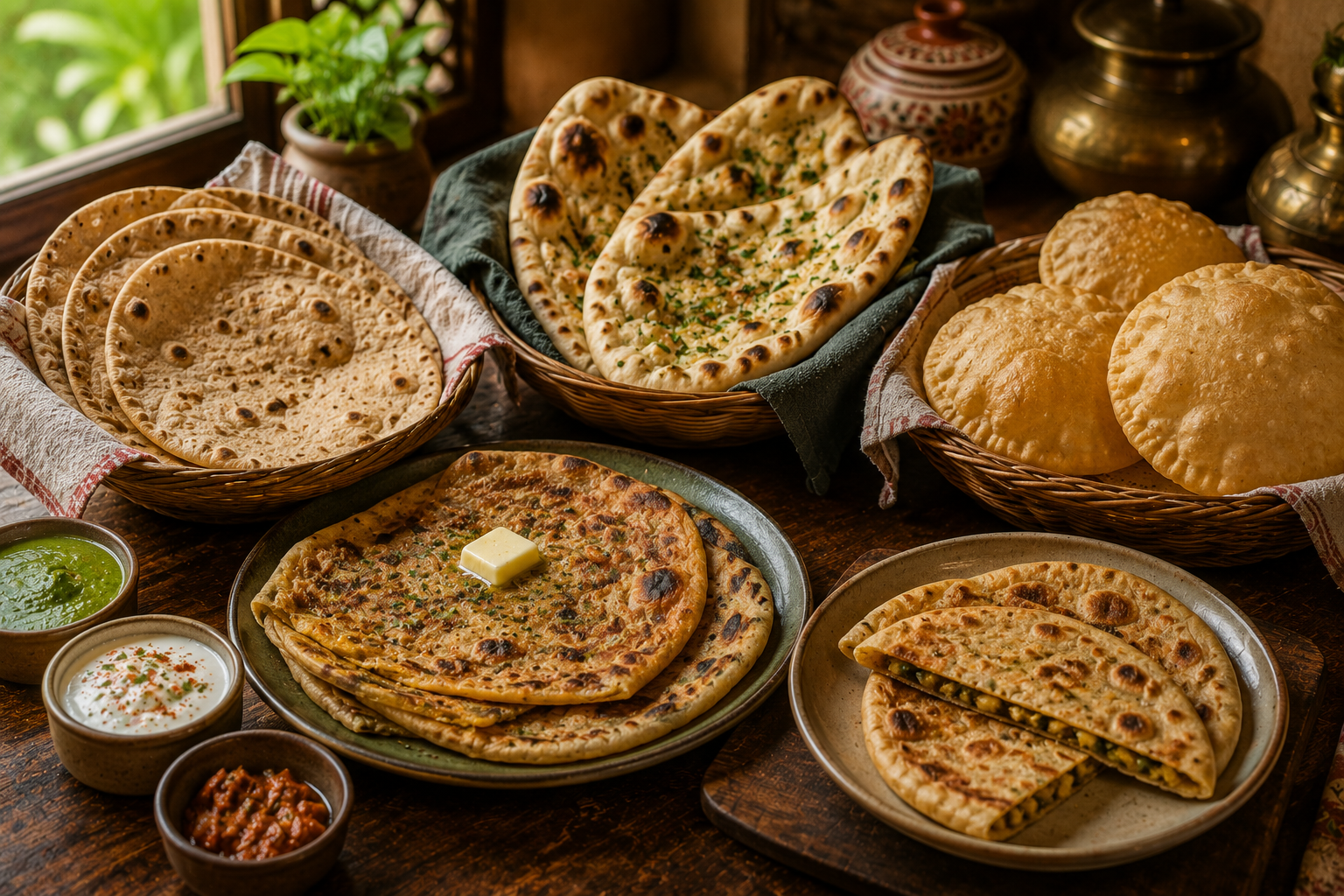 In northern and central India, bread replaces rice for many meals. These breads aren’t cut or stacked neatly. They’re torn, folded, and used to scoop food directly.
Common breads include:
In Punjab, especially around Amritsar, stuffed kulcha served with chickpea curry is more than just popular. It’s something locals genuinely look forward to.
 -1791823791.png)
Dal is one of those foods you don’t always notice at first. Then one day you realise you’ve been eating it every day and somehow miss it when it’s gone.
Dal simply means lentils or pulses, but it shows up in countless forms. Thin and soupy. Thick and slow-cooked. Simple or rich.
It’s nourishing and forgiving, especially after long travel days. Many travellers find dal is the dish they trust most. In places like Delhi, dishes such as chole bhature show how lentils and beans aren’t just “healthy food,” but part of everyday indulgence too.
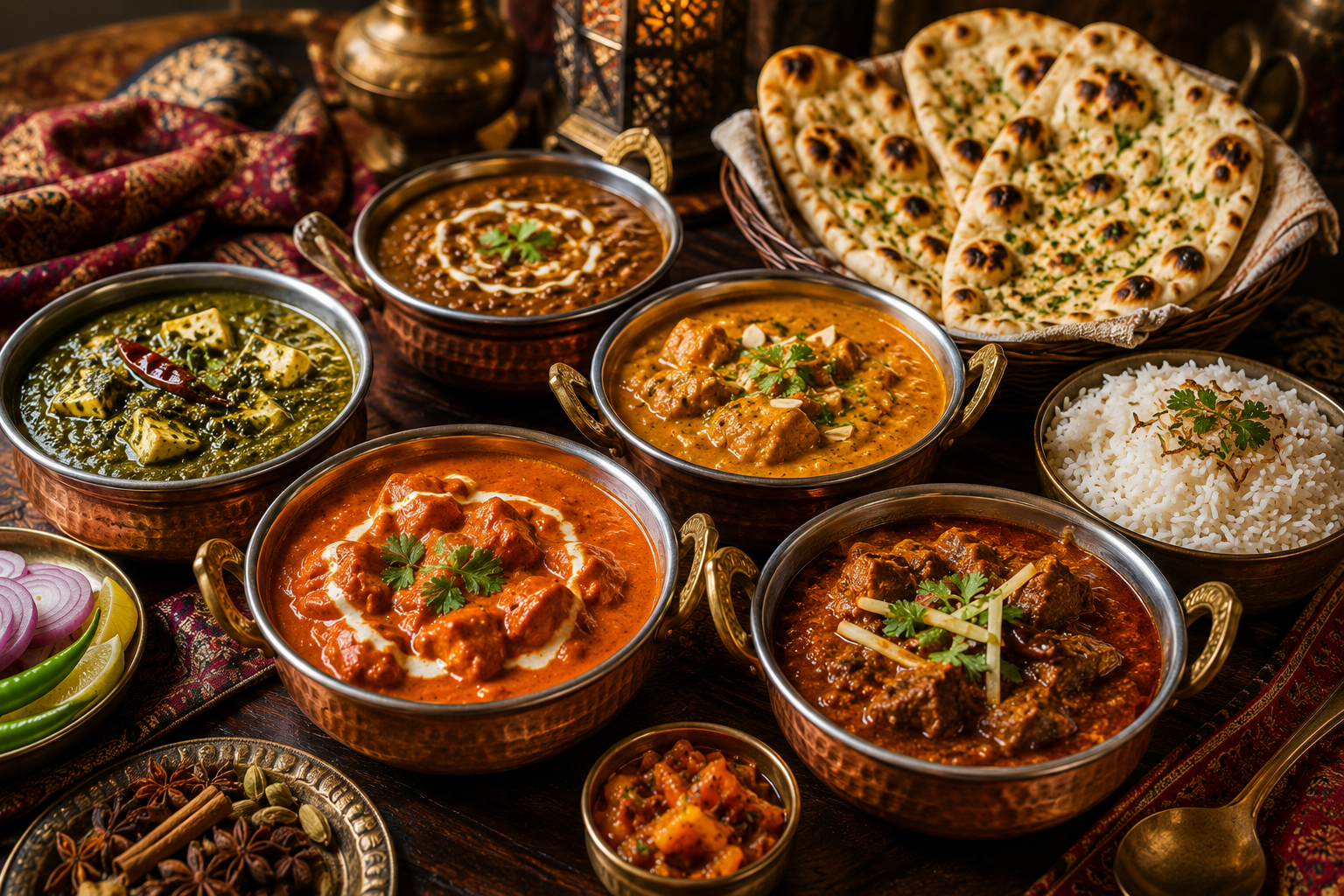 Many dishes that American travellers recognise come from northern India. These are meals shaped by Mughal kitchens, where cooking was slow, deliberate, and built around balance. Gravies often use tomatoes, yoghurt, nuts, and ghee. The focus isn’t heat but fragrance.
Butter chicken, korma, rogan josh, and tandoor-grilled meats are usually easier than expected for travellers who worry about spice. Butter chicken, first made in Delhi, remains one of the gentlest introductions to North Indian food when done well.
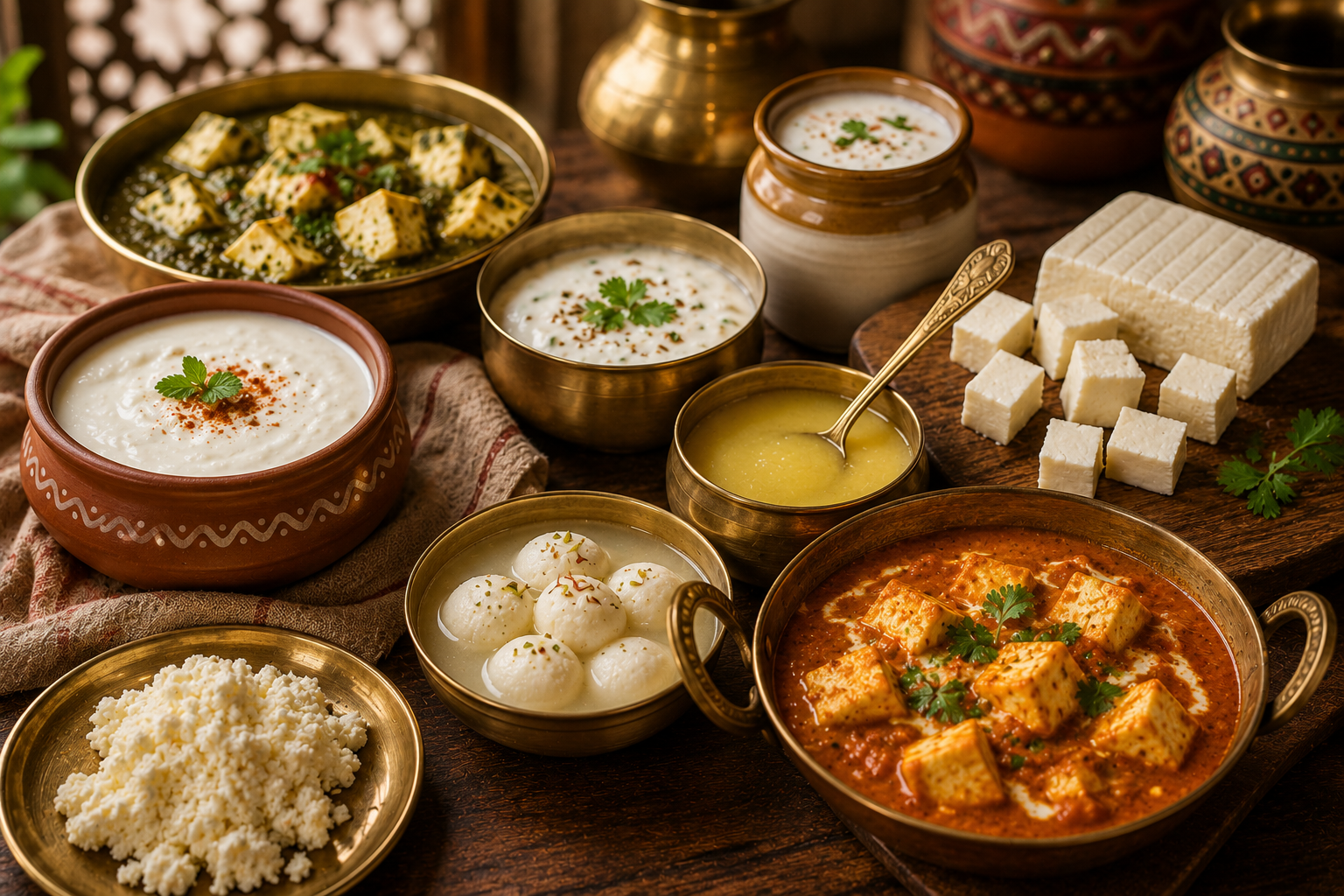
Dairy appears quietly in Indian meals. It’s not heavy, but it’s constant. Yoghurt cools the plate. Ghee adds warmth and depth. Paneer, a fresh cheese, absorbs flavour and becomes a reliable protein for vegetarians.
Lassi, thick and yoghurt-based, shows up in many places. Some travellers remember it most vividly from Varanasi, where it’s served slowly, almost like a meal on its own.
 -1791824161.png) Street food is where India feels most alive. Vendors often sell just one thing, and they sell it every day. Locals know exactly where to go.
Samosas, aloo tikki, pani puri, bhel puri, kachori. These snacks juggle sweet, sour, salty, and spicy without trying to impress you.
In Mumbai, eating bhel puri near the sea or grabbing a vada pav between errands feels completely normal. For travellers, choosing busy stalls and watching food being made fresh matters. This is where local guidance from experienced operators like Kapil India Tours makes eating feel easier.
 India’s coastline stretches longer than many people realise, and seafood changes dramatically from place to place.
Goa and Kerala cook with coconut and tamarind. The Konkan coast prefers lighter frying. Eastern India leans into mustard. West Bengal centres meals around freshwater fish.
The Andaman Islands cuisine is different again, influenced by Southeast Asia. For seafood lovers, coastal India often becomes the most unexpectedly satisfying part of the trip.
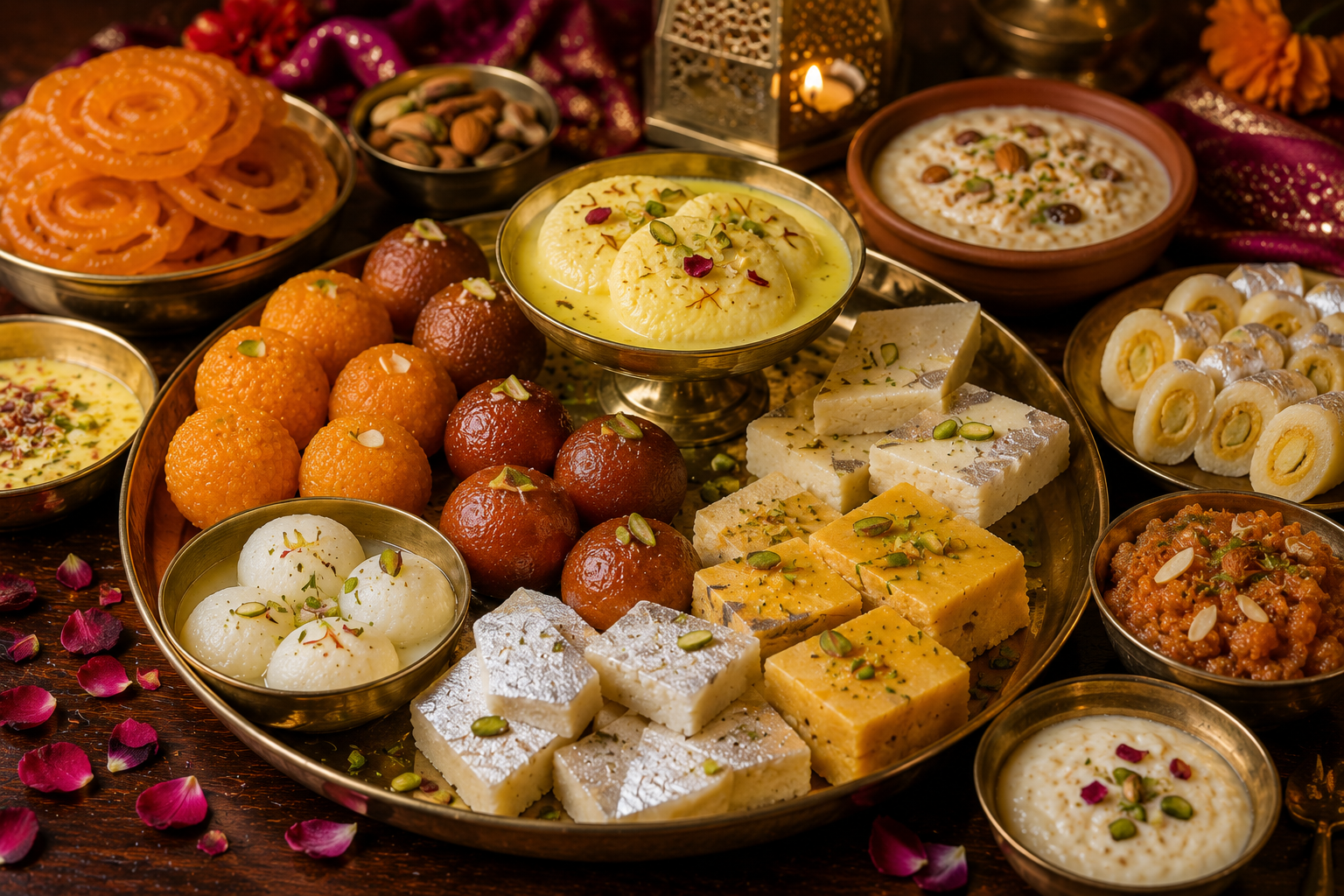 Sweets are an essential part of Indian culture, especially during festivals and family celebrations. Milk-based desserts overwhelm, reflecting the importance of dairy in Indian cooking.
The most famous Indian sweets are Barfi, gulab jamun, jalebi, rasgulla, and kheer. They are rich, often very sweet, and meant to be eaten slowly. In Kolkata, sweet shops are part of daily life. People stop in without thinking twice.
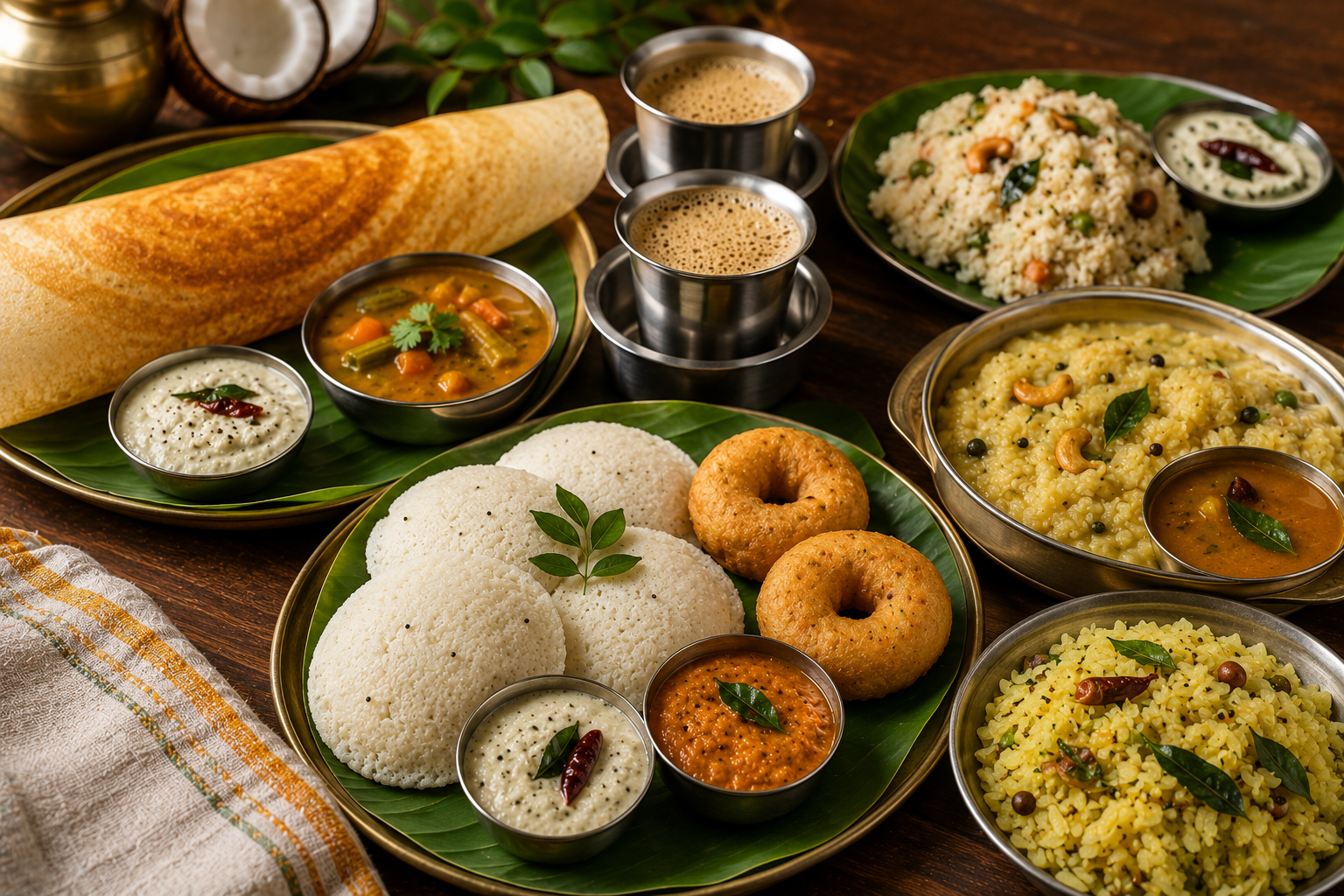 South Indian breakfasts often surprise travellers. They’re filling, but you don’t feel weighed down.
Dosas, idlis, and vadas are made from fermented rice and lentils. They digest easily. Served with sambar and coconut chutney, they feel complete without being heavy. For early mornings and long drives, they work especially well.
India’s seasons strongly influence what people eat, and travellers benefit from eating with the weather rather than against it.
As heat builds, meals become lighter. Yoghurt, fruit, lime soda, and lassi appear more often. Mango season begins, and fresh Alphonso mangoes become something travellers genuinely wait for.
Rain brings cravings for warmth. Chai, fried snacks, and comforting meals take over. People are careful about where they eat street food during this time.
As temperatures drop, richer food returns. Festival season fills homes with sweets, biryanis, and shared meals, especially around Diwali.
Northern India turns toward lentils, greens, slow cooking, and warm desserts. Dishes like khichdi feel especially comforting.
Vegetarian travellers usually find India easy to navigate. Vegan travellers need to be aware that dairy appears often, but with clear communication, meals can be adjusted.
Hotels, heritage stays, and curated tours are increasingly familiar with dietary needs and preferences.
Food in India reflects daily life more than spectacle. Travellers who eat slowly and stay curious often find meals becoming as meaningful as sightseeing. A quiet breakfast. A shared street snack. A long dinner after a travel day.
With thoughtful planning and local guidance from Kapil India Tours, eating in India feels less intimidating and far more human.

31 Oct 2026

27 Oct 2026

23 Oct 2026

20 Oct 2026

15 Oct 2026

11 Oct 2026

02 Oct 2026

24 Sep 2026

09 Sep 2026

31 Aug 2026
19 Aug 2026
05 Aug 2026

31 Jul 2026

27 Jul 2026

21 Jul 2026

17 Jul 2026

13 Jul 2026

09 Jul 2026

07 Jul 2026

03 Jul 2026

30 Jun 2026

27 Jun 2026

23 Jun 2026

19 Jun 2026

16 Jun 2026

12 Jun 2026

09 Jun 2026

06 Jun 2026

02 Jun 2026

27 May 2026
 4.9 based on 298 reviews

Rating: 5/5 | 54 Reviews

Rating: 5/5 | 298 Reviews

TrustScore: 4.4 | 11 Reviews