

05 Aug 2026
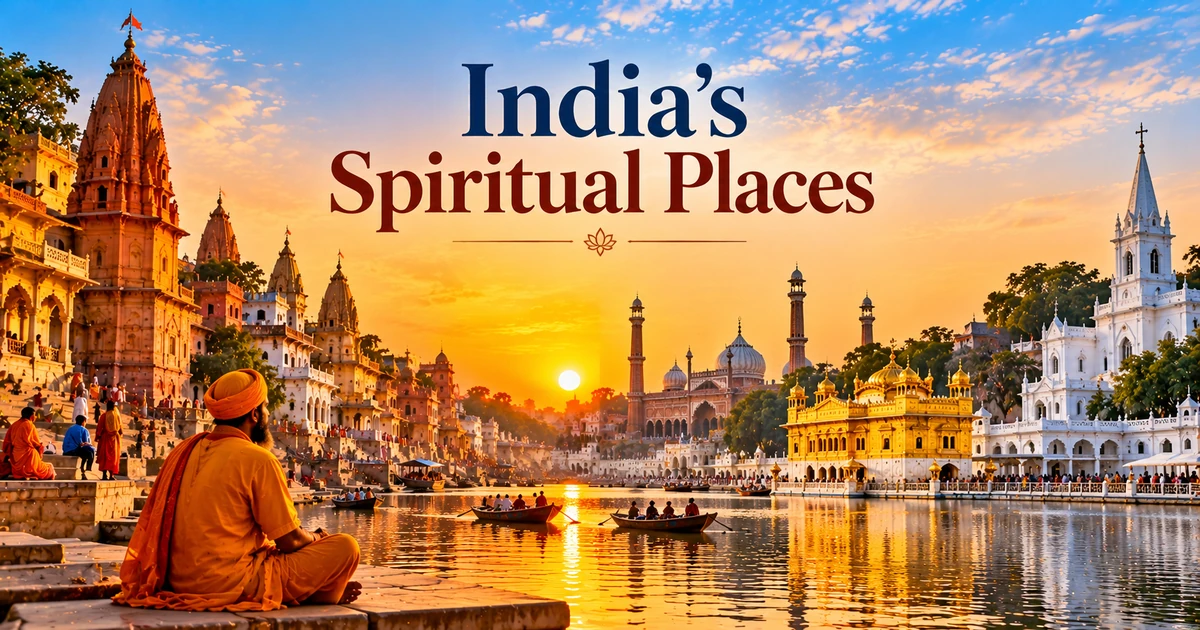
In India, almost every city has some kind of spiritual character. Sometimes it’s a well-known temple or a holy river. Sometimes it’s a mosque near a busy market, a gurudwara serving food beside a highway, or a church bell ringing early on a Sunday morning.
What surprises most people is how ordinary all of this feels. Hindu, Muslim, Sikh, and Christian places aren’t kept separate. In many towns, they exist side by side, part of everyday life. People don’t make a big show of it. They just pass through, the same way they pass through their day.
Spirituality here doesn’t wait for silence or special moments. It shows up while life is moving. Someone touches the ground before boarding a bus. Someone pauses to light a small lamp orfeeds a stranger without saying a word.
No one explains it. You just notice, and later, you realize it stayed with you. In India, faith isn’t something people talk about all the time. It’s something they live.
India is not a religious monolith. There is no single “Indian religion.” Hinduism itself isn’t one uniform belief system; it’s a collection of philosophies, practices, stories, rituals, and regional traditions. Add Islam, Sikhism, Buddhism, Jainism, Christianity, Judaism, Zoroastrianism, tribal belief systems, and newer spiritual movements, and you get something that doesn’t fit neatly into Western definitions of religion.
People often belong to more than one tradition emotionally, even if not formally. It’s common for someone to visit a temple, respect a Sufi saint, attend a church wedding, and practice yoga, without seeing any contradiction. That flexibility is important to understand. Without it, India can feel confused.
 -1791796156.jpg)
Delhi doesn’t feel spiritual in a cinematic way. It feels practical. The city is loud. Crowded. Sometimes exhausting. And yet, spirituality runs through it like an undercurrent. In Old Delhi, religion isn’t something you travel to. You trip over it. You walk down a narrow street and suddenly there’s a mosque entrance. Two minutes later, a Sikh gurudwara. Across the road, a small Hindu shrine squeezed between shops selling phone chargers and sweets. Nobody pauses to admire this coexistence. It’s normal.
Jama Masjid is massive, but what stands out isn’t the architecture — it’s the lack of tension. You take off your shoes. You step onto a cool stone. People sit quietly, some praying, some just resting. You don’t feel watched. You don’t feel judged. For many American visitors, this is unexpected. There’s no push to participate. No sermon. No guided experience. You’re allowed to just be there.
Nearby, Sikh gurudwaras serve food all day. Free. Simple. Filling. You don’t have to donate. You don’t have to explain who you are. You sit on the floor, eat, wash your plate, and leave. This is Sikh spirituality at its core: equality practiced, not discussed.
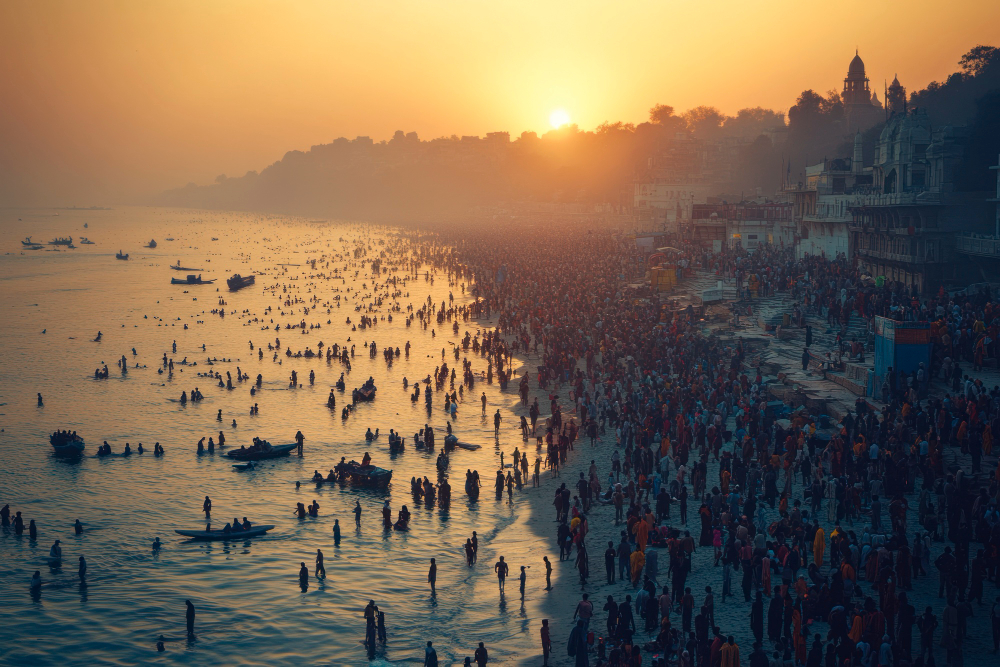
Varanasi is not subtle. It doesn’t try to make visitors comfortable. This city forces you to look at things most societies hide, death, aging, ritual, devotion, grief. On the ghats of the Ganges, life happens openly. People bathe. Priests chant. Bodies are cremated. Families mourn quietly while tourists stand unsure where to look. For many Americans, this is shocking at first. There’s no separation between sacred and everyday life. Hinduism here doesn’t soften reality. It absorbs it. You may not understand the rituals. Understanding is not required. Witnessing is.
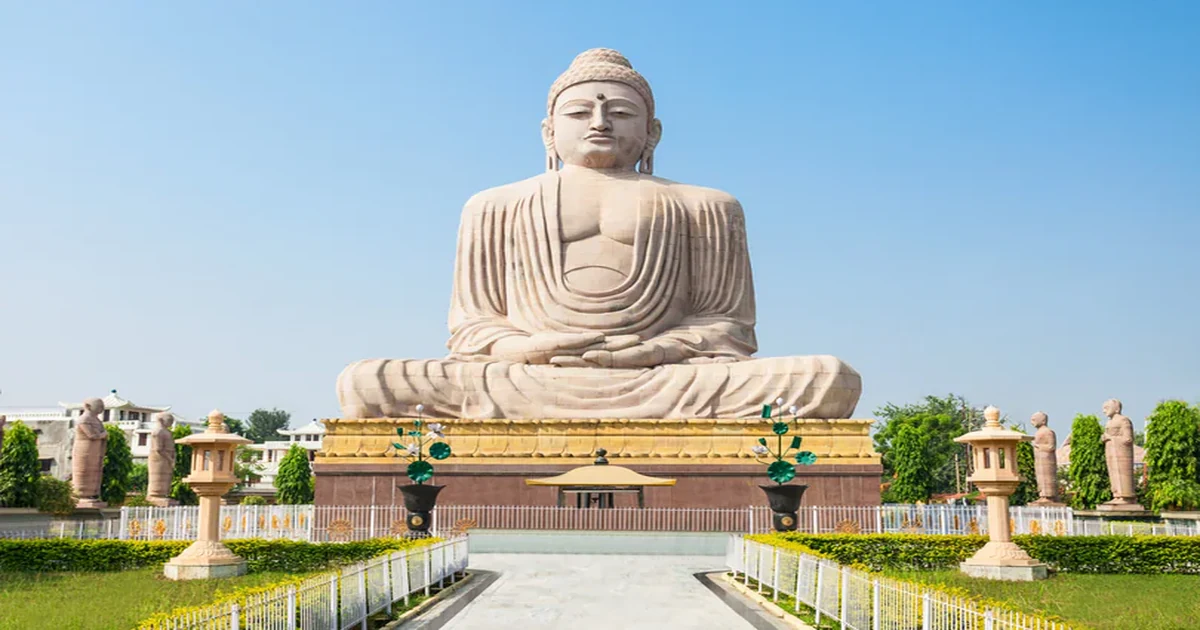
Bodh Gaya feels different immediately. People speak softly. Movements are slower. No one rushes. Monks from Thailand, Sri Lanka, Japan, Tibet, and beyond sit under the Bodhi Tree or walk meditation paths. You hear chants in different languages, but the energy is the same, calm, focused, grounded. This is where Buddhism feels less like philosophy and more like practice. Nothing is explained unless you ask. No one performs enlightenment. You sit. You observe. That’s enough.
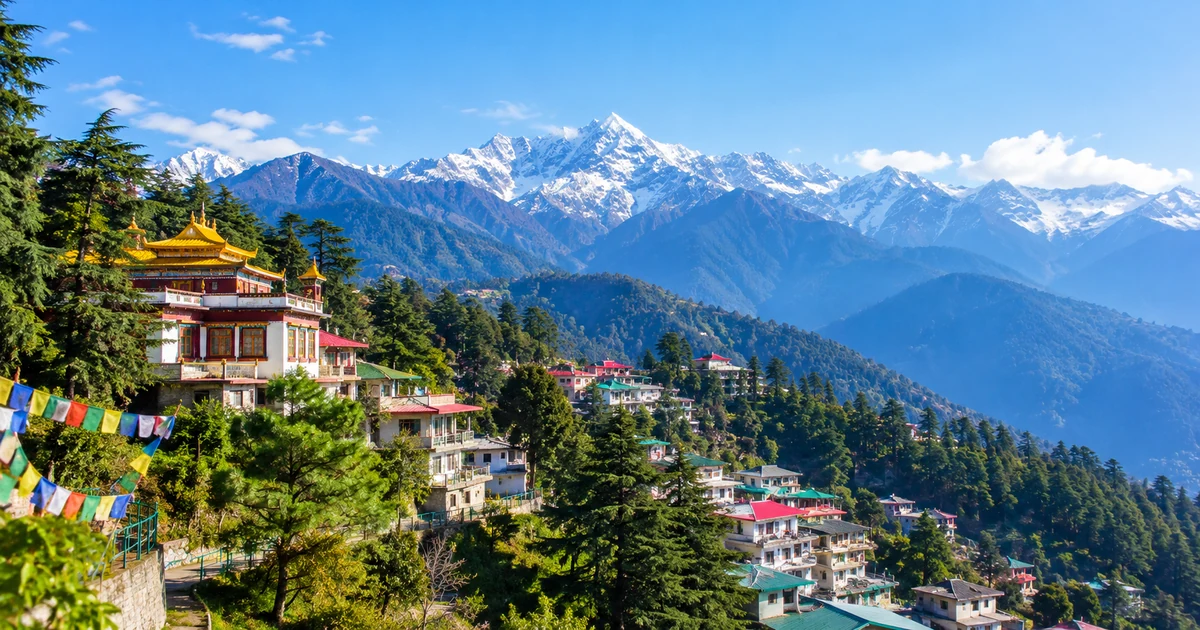
High in the Himalayas, Tibetan Buddhism survives away from its homeland. Prayer flags flutter everywhere. Not for decoration, for intention. Monks shop for groceries. Children go to school. Life continues alongside prayer. What makes this place powerful is not its beauty, but its resilience. Spirituality here isn’t abstract. It’s something people lean on to survive loss and displacement. That quiet strength stays with you.
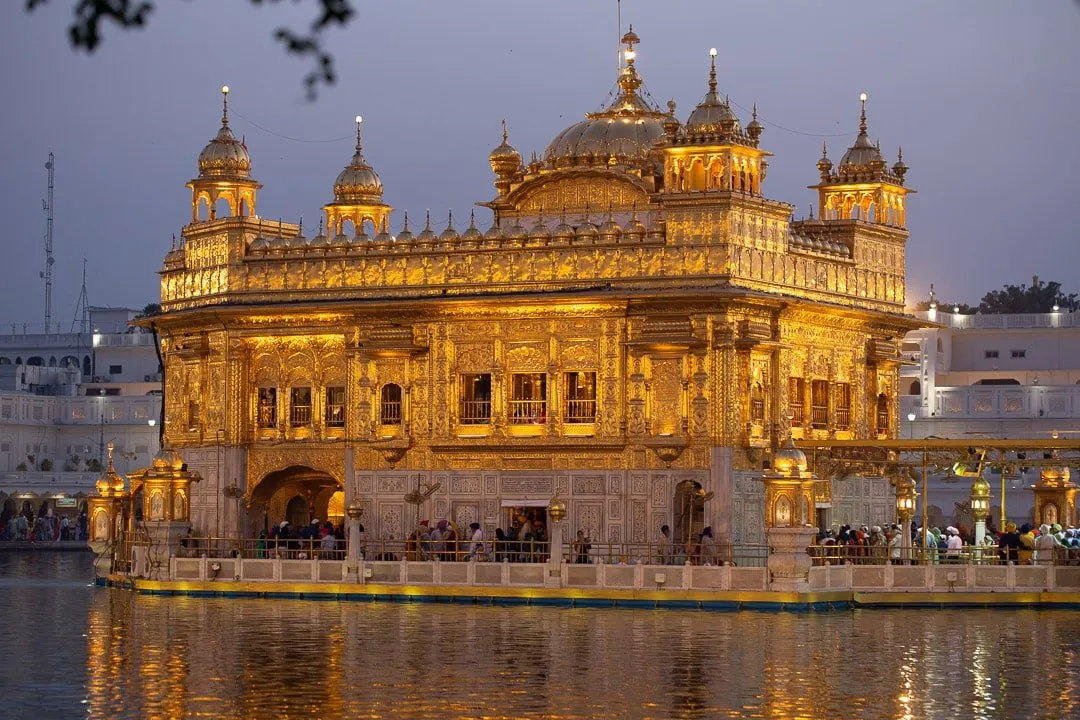
The Golden Temple looks gorgeous in photos, but photos miss the point. The real experience is sitting on the floor eating with strangers. Or volunteering in the kitchen. Or watching people clean, serve, and help without being asked. Sikhism removes distance between belief and action. For US visitors used to religious institutions being formal or hierarchical, this feels refreshingly direct. You don’t attend Sikhism. You participate in it.
-1791797353.jpeg)
Ajmer Sharif Dargah doesn’t belong to one group. Hindus, Muslims, Sikhs, Christians, people from everywhere come here with the same quiet hope. They tie threads. They pray silently. Some cry openly. Sufi spirituality focuses on love and surrender rather than rules.
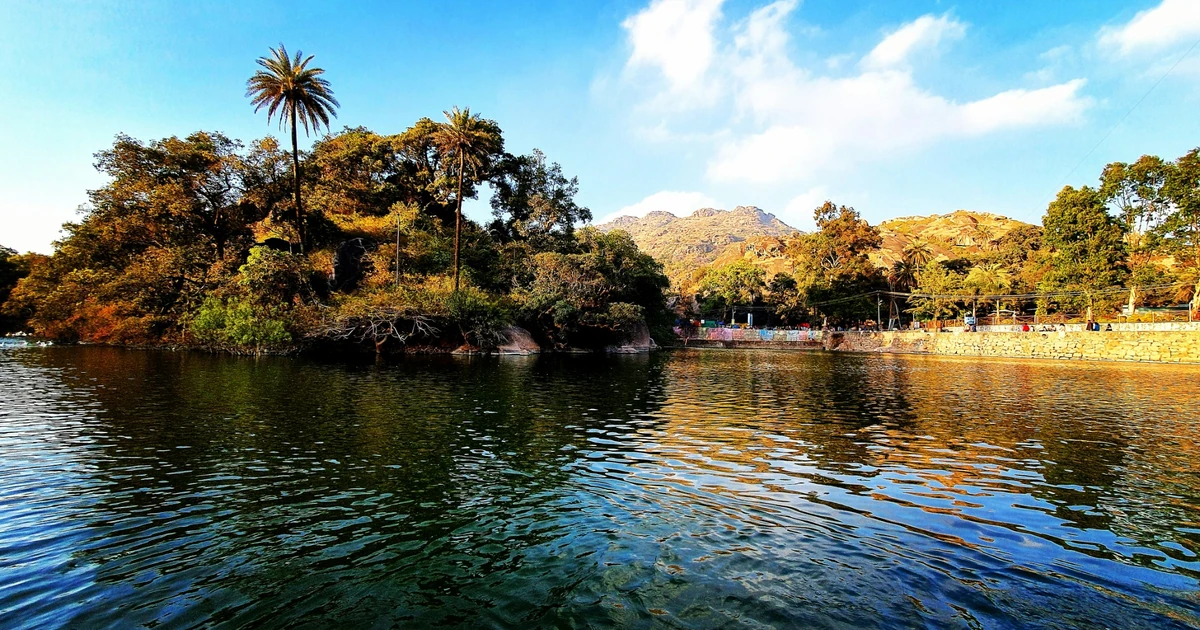
Jainism is one of India’s oldest belief systems, and also one of its most demanding. Non-violence taken to the extreme. Self-control. Minimalism. The Dilwara Temples are breathtaking, but they’re almost a distraction from the real lesson: restraint as spirituality. For American audiences used to spirituality being expressive, Jainism feels strict. For Indian audiences, it represents discipline and ethical consistency.
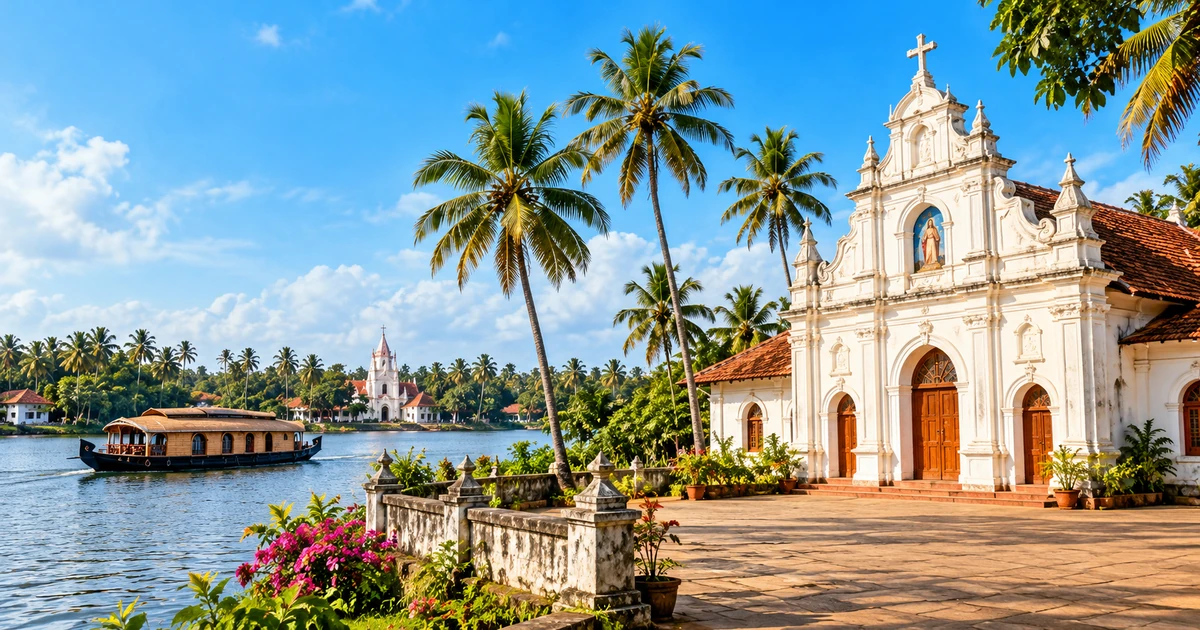
Christianity in Kerala feels old. Settled. Unrushed. Churches here are centuries old. Traditions blend local customs with Christian practice. Faith exists alongside festivals, food, and family life. There’s less emphasis on preaching and more on community. It challenges the idea that Christianity in India is foreign or imported.
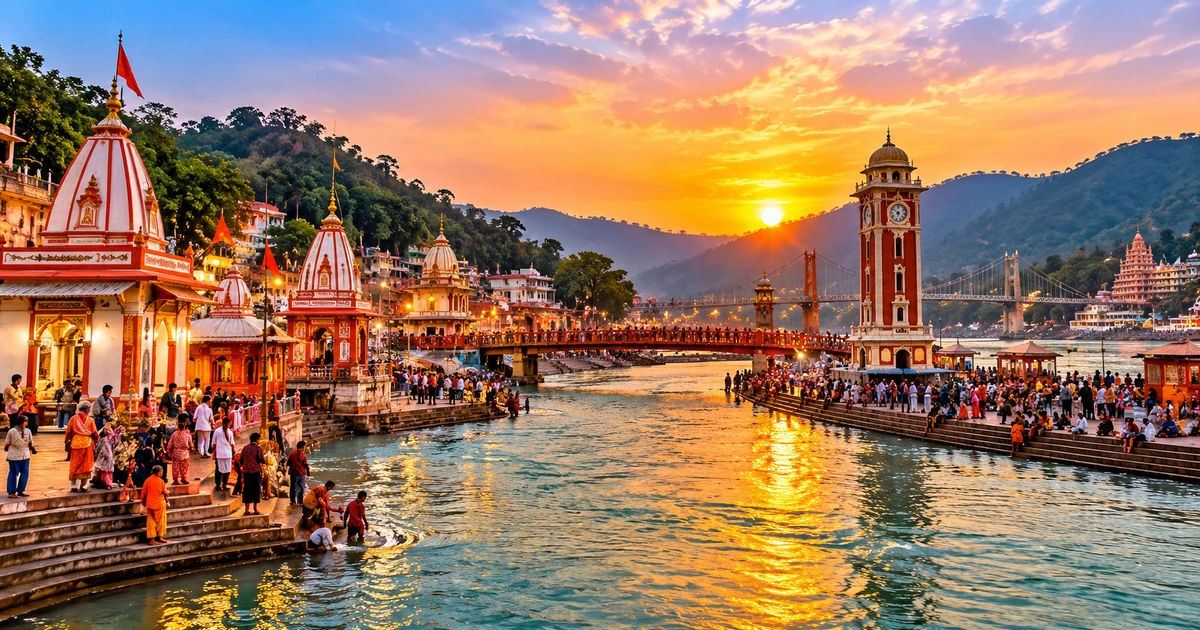
In Haridwar and Rishikesh, Hindu rituals aren’t special events. They’re daily habits. Every evening, the Ganga aarti happens. Lamps are lit. Bells ring. People gather naturally. You don’t need instructions. You follow the crowd or stand back. Yoga, meditation, philosophy, they’re not trends here. They’re tools people have used for generations.
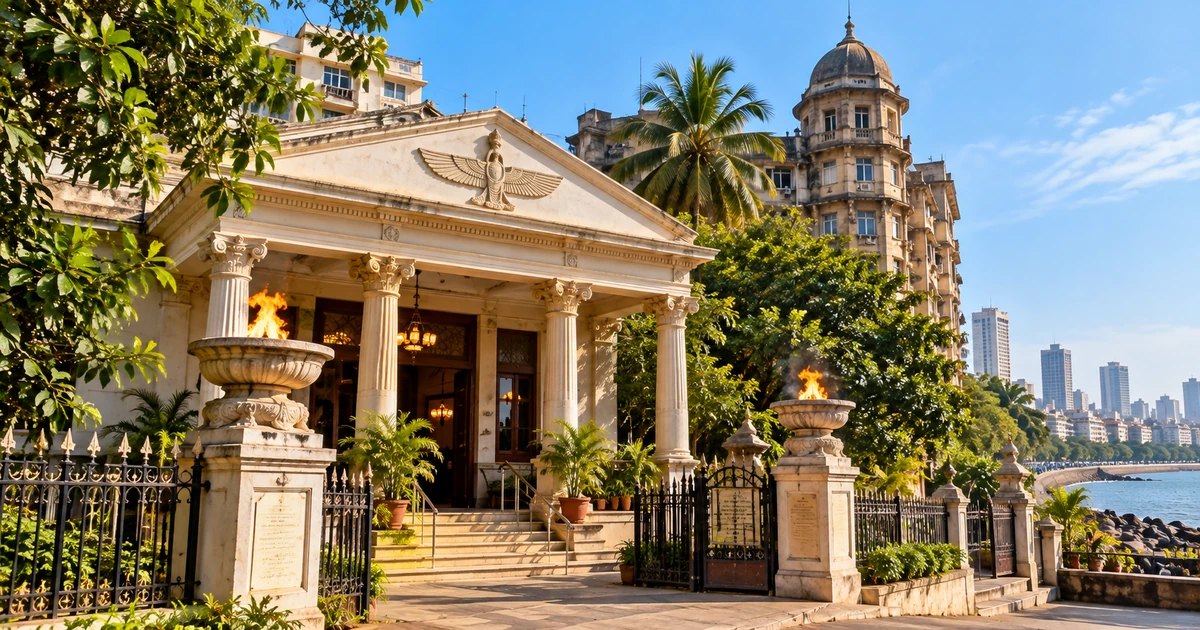
Mumbai is home to India’s Parsi community, followers of Zoroastrianism. Small in number, deeply rooted, focused on charity, education, and community service. Their fire temples are private, but their influence on Indian industry, culture, and philanthropy is enormous. This is another reminder that spirituality in India isn’t about numbers. It’s about contribution.
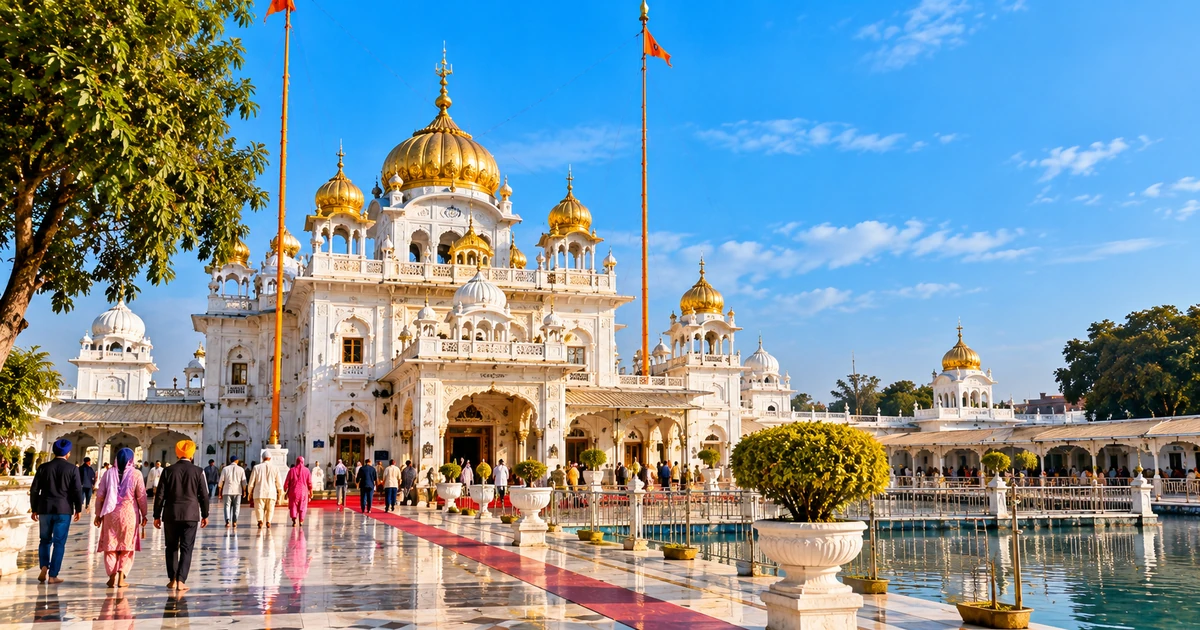
Fatehgarh Sahib doesn’t feel like a place you “visit.” It feels like a place where you lower your voice. Located in Punjab, this gurudwara marks a painful chapter in Sikh history. It stands in memory of the younger sons of Guru Gobind Singh, who were executed here. Knowing that changes how you walk through the complex. Visitors quietly take it all in.. There’s no dramatic storytelling on loudspeakers. No emotional build-up for visitors.
The energy of the place comes from the fact that Sikhs already know why they’re here. Just like at the Golden Temple, langar runs without pause. People eat together quietly, some deep in thought, some praying under their breath. Service continues, not as charity, but as remembrance. Fatehgarh Sahib shows another side of Sikhism, not celebration, not grandeur, but dignity. Faith that remembers its past without turning it into spectacle.
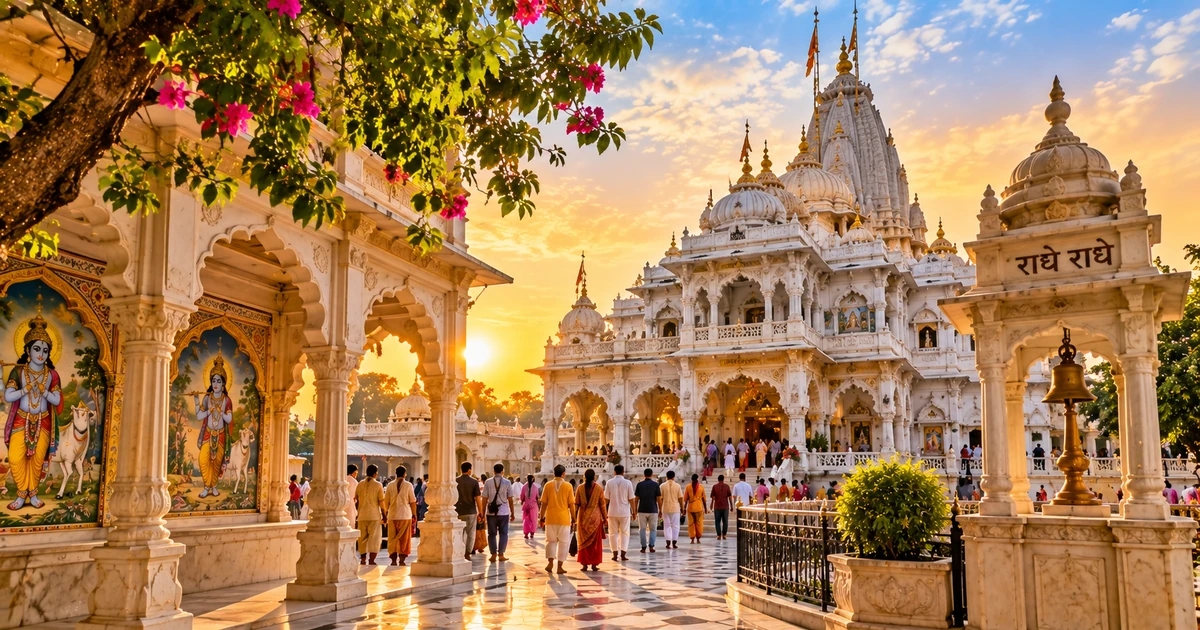
Vrindavan is not calm. Anyone who tells you this hasn’t really been there. This town in Uttar Pradesh is deeply connected to Lord Krishna, and devotion here spills into everything. Temples Bhajans all day. Bells ring constantly. You hear chanting from inside homes, shops, alleyways. At first, it can feel overwhelming. There’s noise, crowds, movement everywhere. But after a while, you realize this is what devotion looks like when it’s lived every day, not reserved for festivals. People aren’t performing faith for visitors. They’re living it. Old women chant as they walk. Priests rush through lanes on motorcycles. Monkeys steal offerings. Life and belief mix without apology. Vrindavan isn’t polished. It’s emotional, messy, and deeply sincere. And that’s exactly why it stays with you.
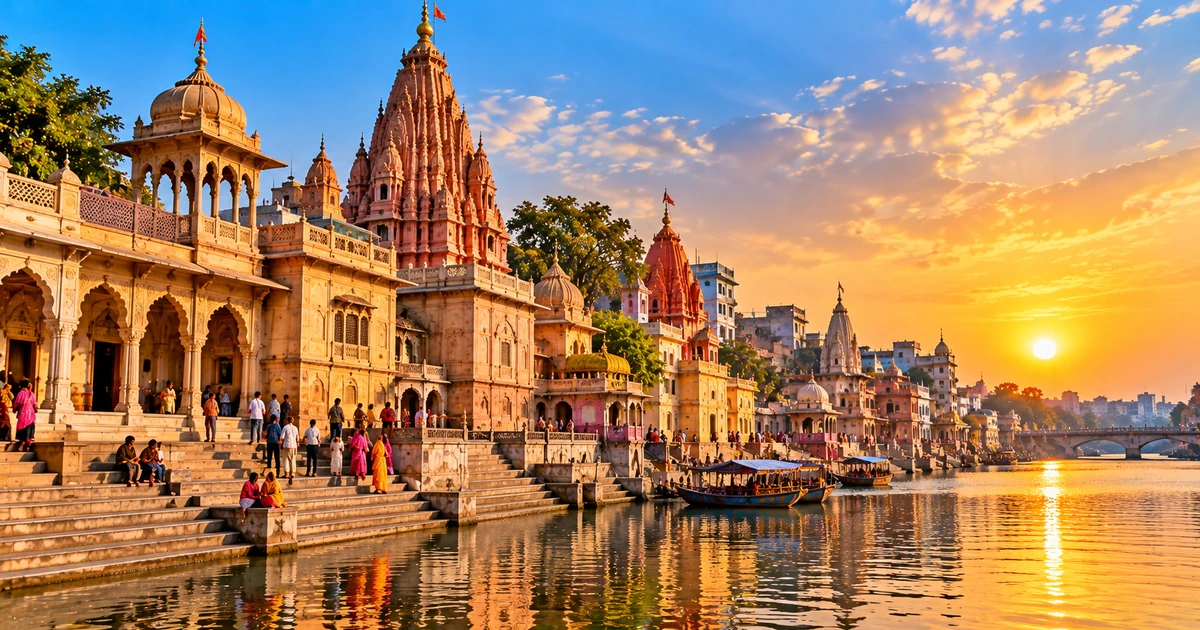
Mathura, believed to be Krishna’s birthplace, feels more grounded than Vrindavan. Still spiritual, but more lived-in. Temples sit next to houses. Kids play cricket outside shrines. Shopkeepers stop mid-sale to bow briefly. Here, Hindu mythology doesn’t feel distant or symbolic. It feels local. Personal. Like a story people grew up hearing and never stopped believing. Spirituality in Mathura isn’t loud devotion all the time. Sometimes it’s just familiarity, faith that doesn’t need constant expression to stay alive.
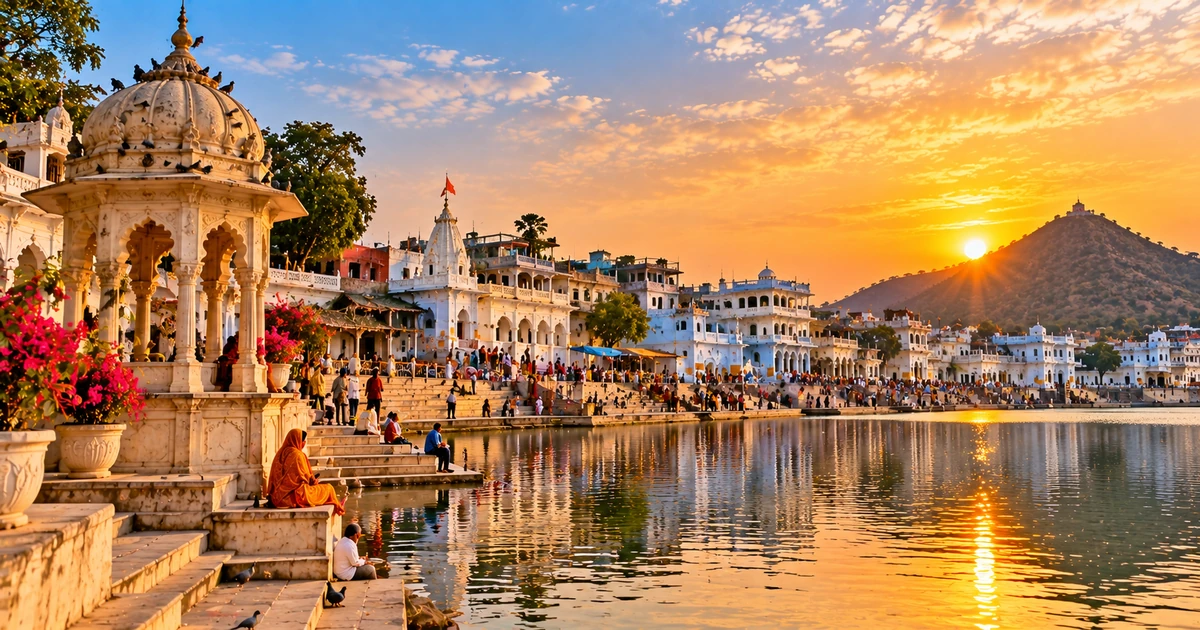
Pushkar is built around a lake, and that lake shapes the town’s rhythm. Pilgrims walk its edges early in the morning. Priests perform small rituals. Bells echo softly across the water. It’s also one of the few places dedicated to Brahma, which already gives it a slightly different energy. Pushkar feels intimate. Slower. Less demanding. You don’t feel rushed to understand anything here. You just walk, sit, and watch. For many visitors, Pushkar is the first time Hindu spirituality feels approachable, not distant or intense, just quietly present.
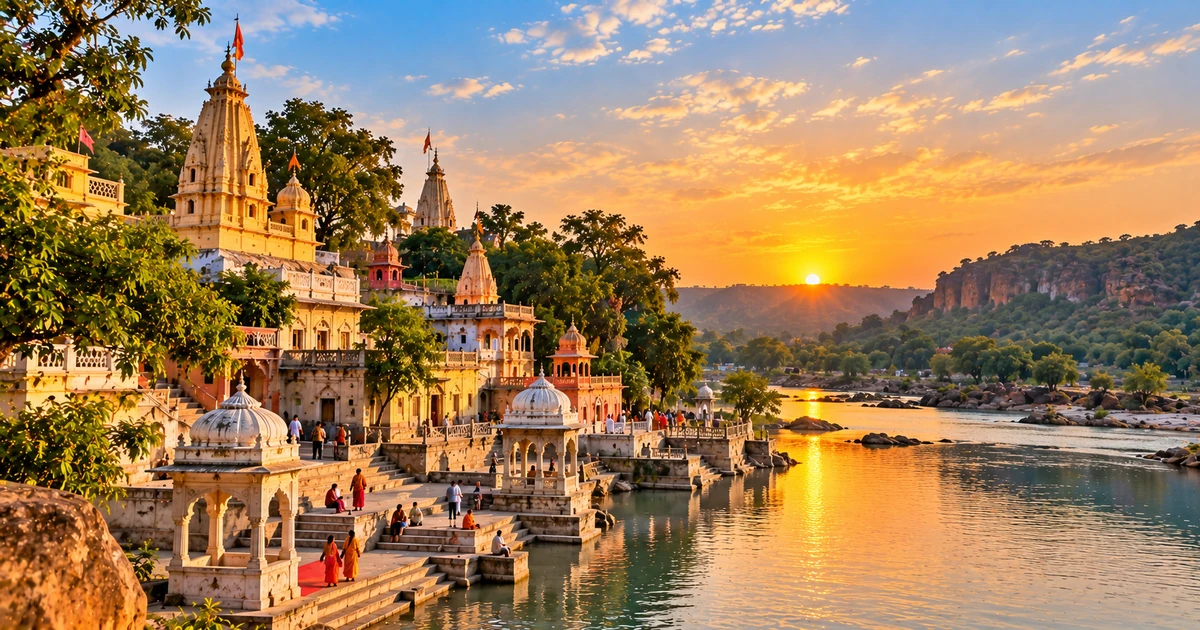
Chitrakoot doesn’t show up on many travel lists, and that’s part of its charm. Linked to the Ramayana, it’s believed that Lord Ram spent time here during his exile. The area is forested, calm, and deeply loved by devotees. You won’t find grand temples or dramatic rituals. Instead, there are simple shrines, walking paths, and people moving at an unhurried pace. Spirituality here feels like companionship, walking, remembering, repeating old stories without needing proof.
Spirituality in India doesn’t try to convince you of anything. It lets you watch people live with meaning, imperfectly, sincerely, repeatedly.
31 Oct 2026
27 Oct 2026

23 Oct 2026

20 Oct 2026

15 Oct 2026

11 Oct 2026

02 Oct 2026

24 Sep 2026
09 Sep 2026

31 Aug 2026

19 Aug 2026
05 Aug 2026

31 Jul 2026

27 Jul 2026

21 Jul 2026

17 Jul 2026

13 Jul 2026

09 Jul 2026

07 Jul 2026

03 Jul 2026

30 Jun 2026

27 Jun 2026

23 Jun 2026

19 Jun 2026

16 Jun 2026

12 Jun 2026

09 Jun 2026

06 Jun 2026

02 Jun 2026

27 May 2026
 4.9 based on 298 reviews

Rating: 5/5 | 54 Reviews

Rating: 5/5 | 298 Reviews

TrustScore: 4.4 | 11 Reviews