

31 Aug 2026
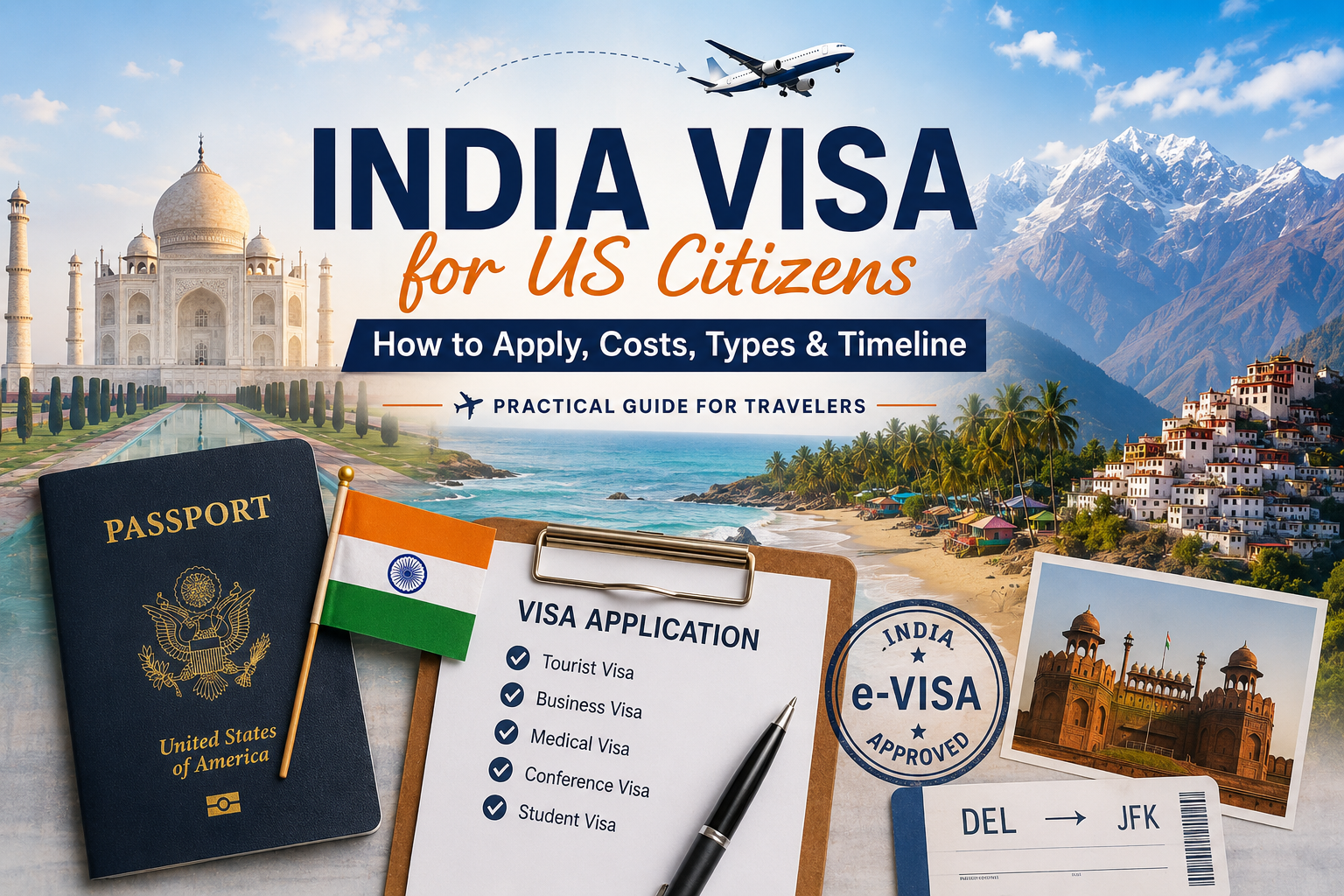
India exists as an excellent place because its states function as separate nations with their own distinct languages, traditions, cultural practices and natural environments. You could experience two different climates during your travels because the first week would take you through humid tropical forests, while the second week would lead you to experience icy cold Himalayan mountain air. And yet, despite how vast and complex the country feels, one visa is all it takes to explore it.
For travellers from the United States, that’s encouraging news. While India does require a visa for entry, the process is far more straightforward than many people expect. In fact, most visitors can complete everything online without ever stepping into an embassy.
The guide explains how the Indian visa system operates through plain language, which avoids both legal terms and standard operating procedures to show you what will happen during your application process.
Yes, US citizens must have a visa before travelling to India. There’s no visa-free entry or visa-on-arrival option for American passport holders, even for short trips. Whether you’re visiting for a week or several months, the visa needs to be approved in advance.
That said, this doesn’t mean the process is difficult. Most US travellers qualify for India’s e-Visa system, which allows you to apply online, upload documents digitally, and receive approval by email. For tourism, business visits, medical travel, or conferences, this system works well and saves a lot of time.
India has made major improvements to its visa process over the last decade, especially for travellers from countries like the United States. What once required in-person appointments and paperwork can now be handled from your laptop in under an hour.
For most travellers:
Once approved, your visa allows you to move freely across the country, from bustling cities to remote regions, as long as you follow the conditions of your visa type.

Before applying, it’s important to choose the visa that matches what you actually plan to do in India. Using the wrong visa, even unintentionally, can cause problems at immigration or during your stay.
The tourist visa serves as the most frequently used visa option because it allows numerous travel activities. The visa allows people to visit cities and natural areas while they spend time with friends and family, engage in short yoga and meditation programs and participate in their general vacation activities.
This visa probably applies to you because you are neither working for an Indian company nor taking part in academic studies. The tourist visa program provides multiple duration options, which enable travellers to choose between short-term trips and multiple return visits.
The business visa allows professional visitors from abroad to enter India for their business activities. The activities include attending meetings, negotiating contracts, visiting suppliers, and participating in trade events.
The procedure requires applicants to submit supporting documents, which include an invitation letter from an Indian company or organisation. Business visas provide multiple entry rights to customers who wish to stay in India for extended periods yet require more documentation than tourist visas.
A conference visa is necessary when you visit India to participate in a conference, seminar, workshop or formal occasion that an Indian organisation conducts. The visas are exclusively linked to your scheduled event, which requires you to show either your registration documentation or the official invitation.
The requirements of different programs make it essential to check whether you need a conference visa or a business visa for your travel.
India serves as a medical treatment hub which provides a complete range of healthcare services that include both surgical procedures and specialised medical treatments. The medical visa allows international travellers to receive medical treatment at approved hospitals and clinics throughout India.
The visa category usually permits extended stays which exceed the duration of typical tourist visas based on the treatment requirements. Patients need to submit either medical records or hospital treatment verification letters as part of their application process.
Student visas are issued to individuals who are studying full-time at educational institutions throughout India. This includes university degrees as well as structured courses in areas like yoga, classical music and traditional arts.
The visas remain valid until the completion of the academic program, but the holders must adhere to specific requirements. You must obtain official acceptance letters and all necessary documents from the educational institution before you can start your application process.
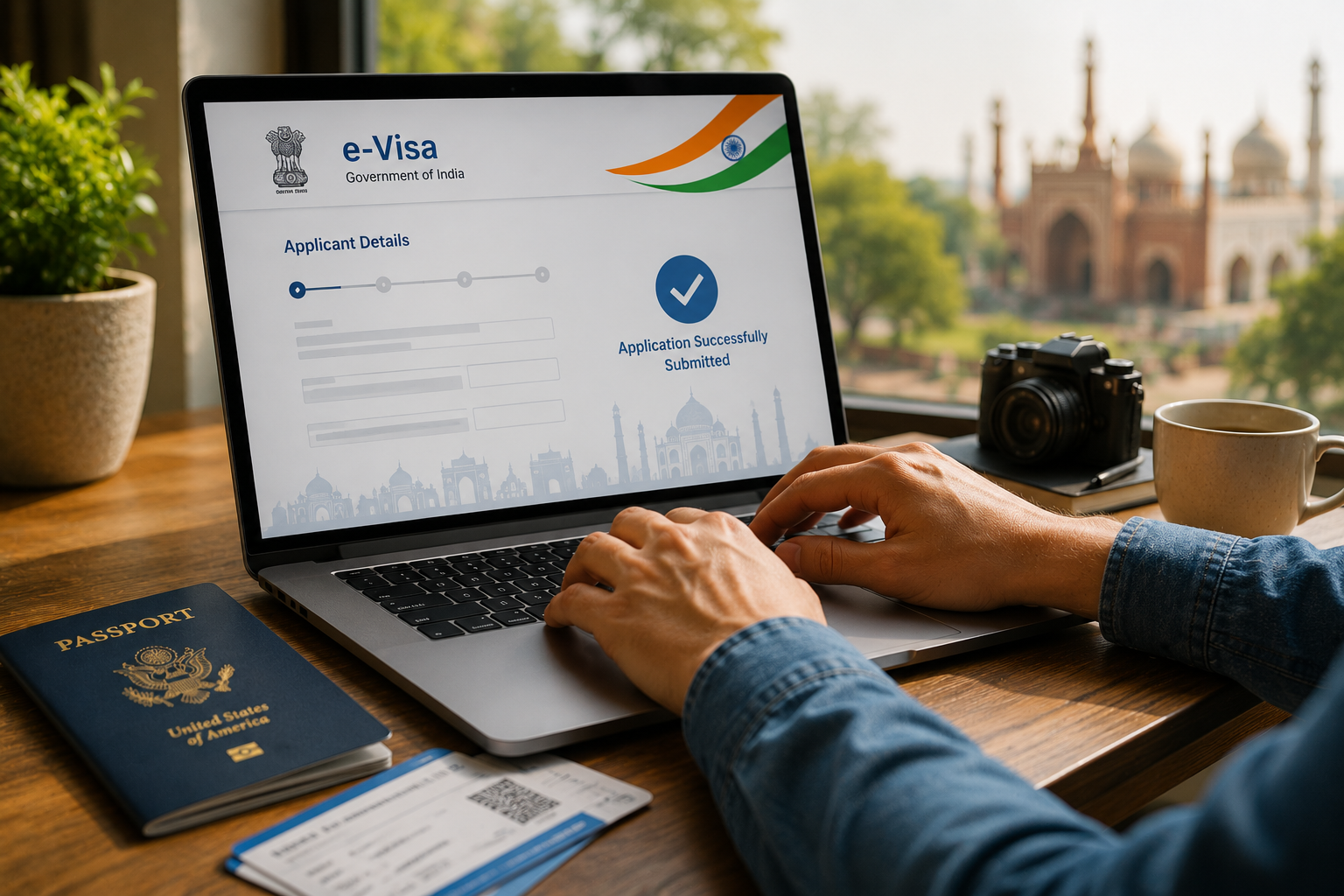
The India e-Visa functions as an electronic permit which enables qualified citizens to travel to India without needing embassy services. The visa digitally connects to your passport after approval which enables verification of your identity at your arrival in India. US travellers usually find e-Visa to be their optimal choice because it provides them with both operational efficiency and travel flexibility. You can apply from home, receive approval by email, and carry a printed copy when you travel. Your passport will receive a stamp from immigration officers when you arrive.
This option works well for short trips and first-time visitors who want a simple, low-commitment visa. The visa permits two entries during a 30-day time frame, which benefits travellers who intend to visit a nearby country and return to India.
The validity period begins with your initial entry so you need to choose your application timing with great care.
The one-year visa is popular with travellers who expect to return to India more than once. The visa permits multiple entries throughout the twelve-month period, which allows visitors to stay in the country for up to 180 days during each visit.
The travel option provides US travellers with their most suitable choice because it delivers them both travel flexibility and affordable rates, which makes it ideal for their future travel arrangements that remain undecided.
Indian citizens who travel to their home country five times within five years should obtain the five-year visa because it provides multiple entry rights, which eliminates the need for visa applications.
The system allows users to stay for six months but provides them with extended time frames, which simplify their travel arrangements.
Most e-Visas are processed within 3 to 5 business days, but delays can happen during peak travel seasons or if additional checks are required.
To be safe:
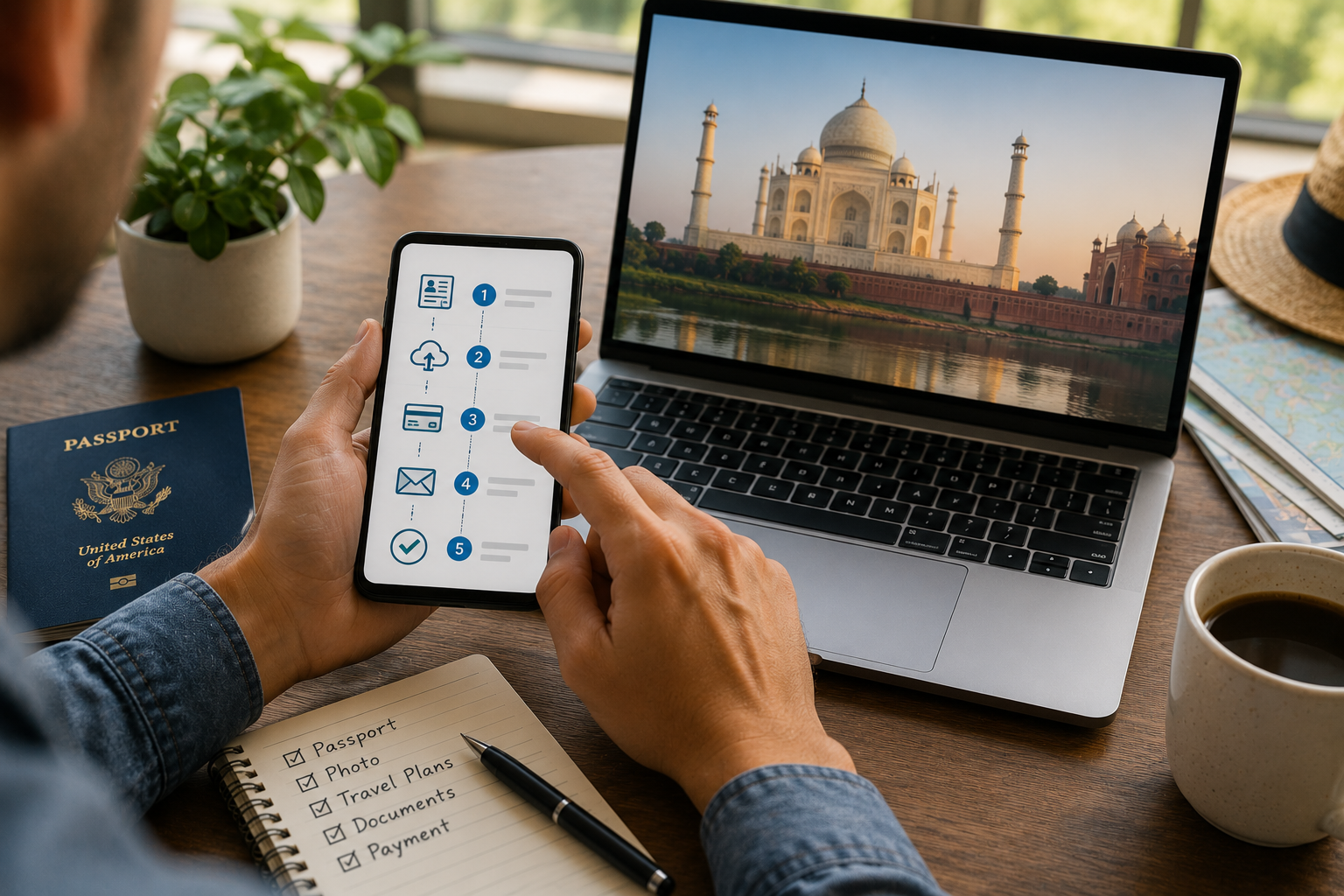
You’ll need:
Fill in personal details, passport information, travel plans, and answer background questions carefully. Even small mistakes can delay approval.
Make sure images meet size and clarity requirements. Blurry photos are a common cause of rejection.
Fees vary depending on visa duration and nationality. Payment is made online by card.
Once approved, print the authorisation and keep a digital copy on your phone.
The majority of e-Visas do not permit extension options. The standard procedure requires you to exit the country when your authorised stay period ends to obtain a new visa.
The only situation which permits a visa extension is when a medical emergency occurs. Tracking your dates becomes essential because overstaying your visa will result in fines and future travel restrictions.
A little preparation goes a long way toward a smooth arrival.
India is not a place most people “finish” in one visit. The country provides visitors multiple experiences which become more rewarding through extended time dedication to exploration. The visa process now operates more smoothly than it used to operate.
US travelers can spend their trip time exploring the country because they need only to obtain the correct visa and plan their journey.
31 Oct 2026

27 Oct 2026

23 Oct 2026

20 Oct 2026

15 Oct 2026

11 Oct 2026

02 Oct 2026

24 Sep 2026
09 Sep 2026
31 Aug 2026

19 Aug 2026
05 Aug 2026

31 Jul 2026

27 Jul 2026

21 Jul 2026

17 Jul 2026

13 Jul 2026

09 Jul 2026

07 Jul 2026

03 Jul 2026

30 Jun 2026

27 Jun 2026

23 Jun 2026

19 Jun 2026

16 Jun 2026

12 Jun 2026

09 Jun 2026

06 Jun 2026

02 Jun 2026

27 May 2026
 4.9 based on 298 reviews

Rating: 5/5 | 54 Reviews

Rating: 5/5 | 298 Reviews

TrustScore: 4.4 | 11 Reviews