

31 Oct 2026
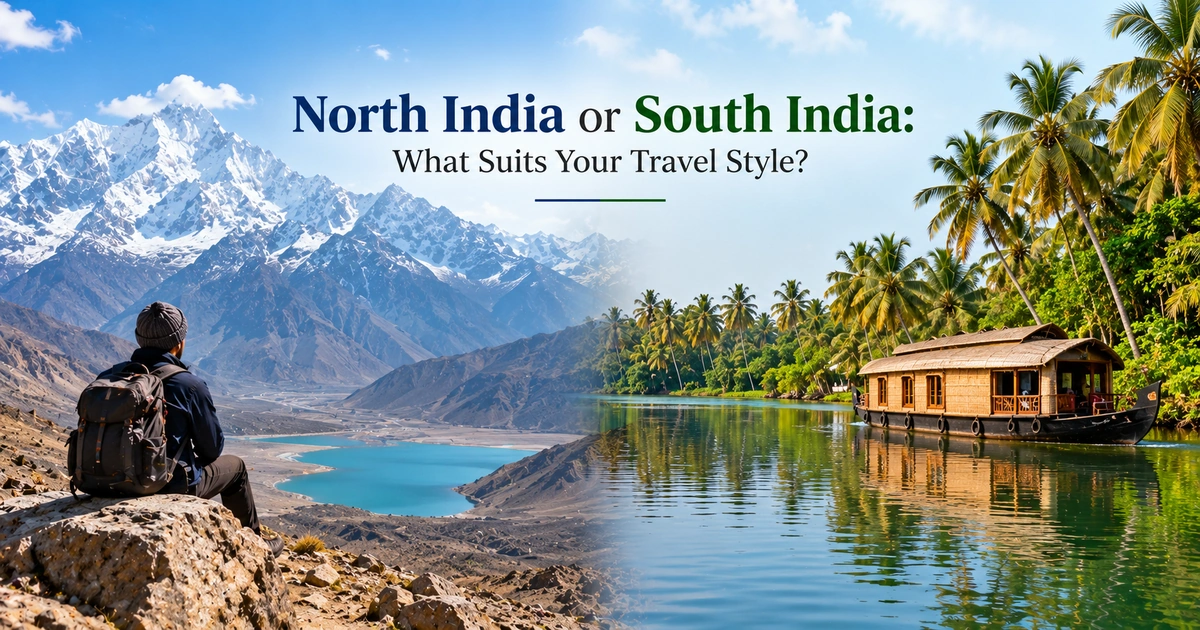
The process of planning a trip to India may be exciting, but again it may be puzzling, particularly when you need to choose between North India and South India. These two areas provide absolutely opposite experiences as far as culture, climate, food, landscapes, and the way of travelling are concerned. This decision is a challenge to many travellers due to the fact that information on the internet, in most cases, is not based on practical differences but rather inspiration.
This guide is also authored to make it clear to the travellers of what North India and South India have to offer, so that they can select the region that suits their expectations in terms of travel, comfort, and interests.
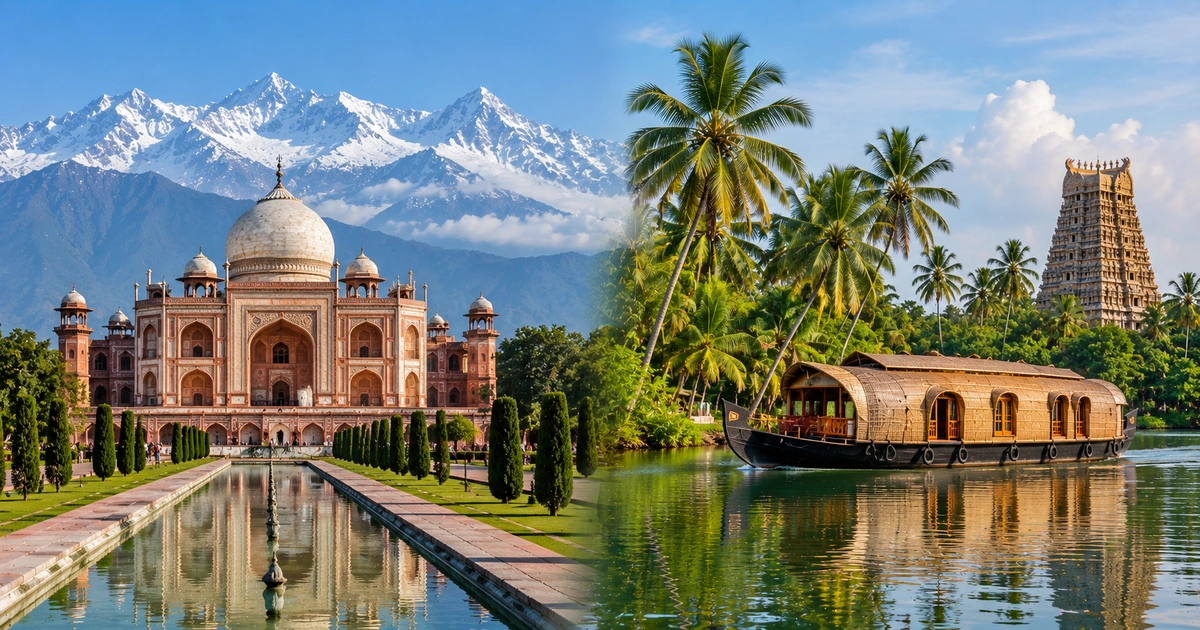 India is not a homogeneous nation. There is a great variation in geography, language, habits of eating, climate, and way of life among regions.
It is not a question of which one to think is better, but the one that is more appropriate to your kind of travelling.
Tourist Attractions in North India
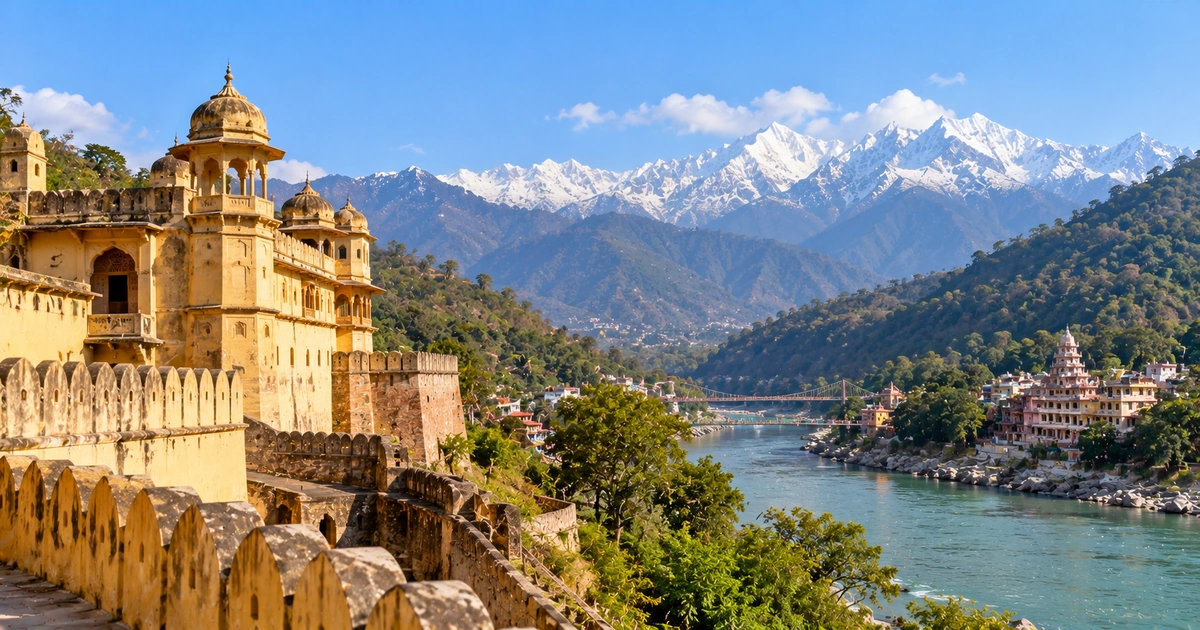
North India is mostly visited in the subcontinent, especially by first-timers, since it contains the most popular places like Delhi, Agra, and Jaipur.
Key highlights include:
The main architectural, historical and cultural sites of North India serve as its primary focus. Sightseeing activities require travellers to visit different cities while they attempt to see various attractions within a brief period.
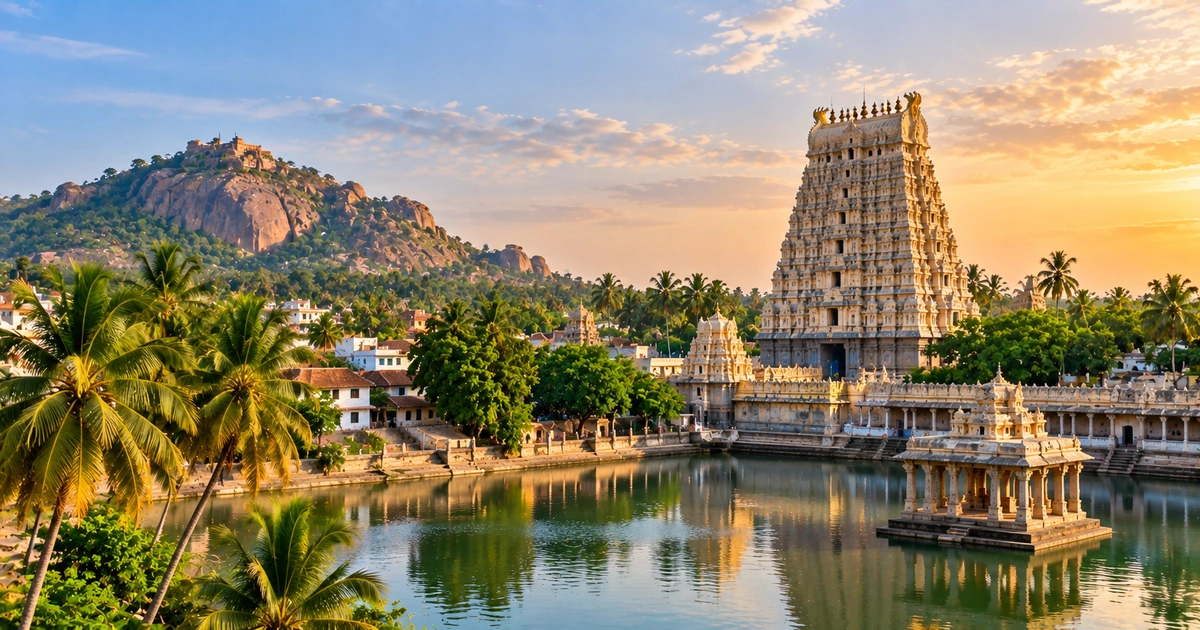 South India provides visitors with a unique sightseeing experience that differs from other tourist destinations. The area showcases its heritage through temples, natural sites and living cultural traditions instead of presenting massive historical sites.
Key highlights include:
South India sightseeing is generally less rushed and often combines culture with nature and relaxation.
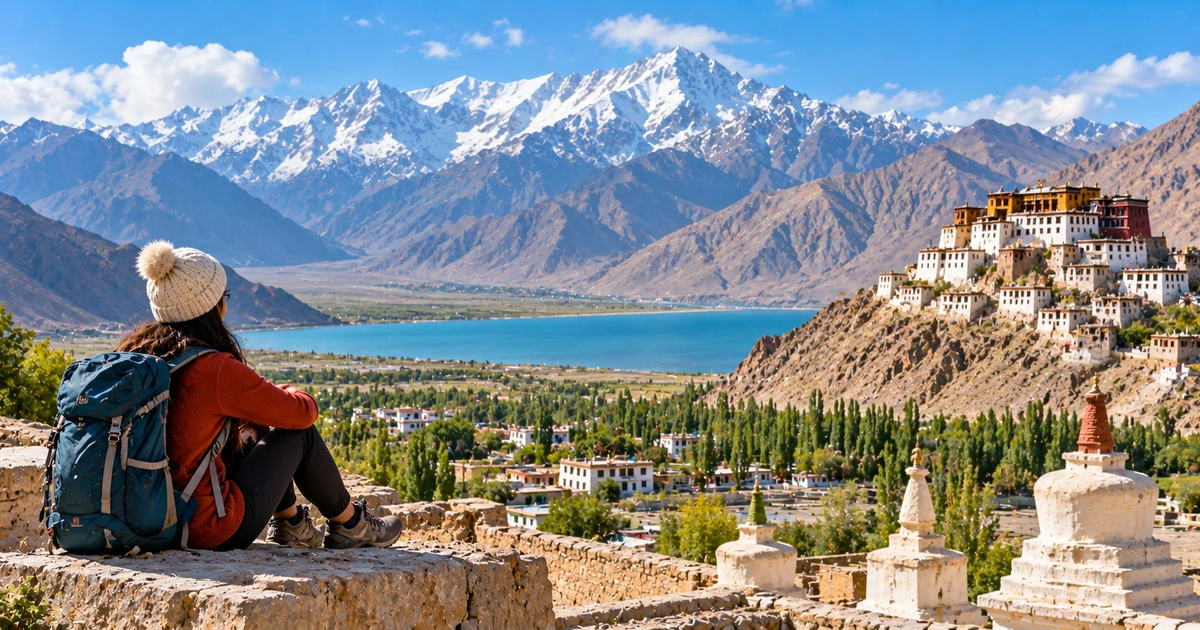 North India remains energetic and crowded throughout its main cities which attract tourists. The public areas of the city experience constant activity from the morning until the night.
Travelers should expect:
This environment suits travelers who enjoy fast-paced travel, constant activity, and busy surroundings.
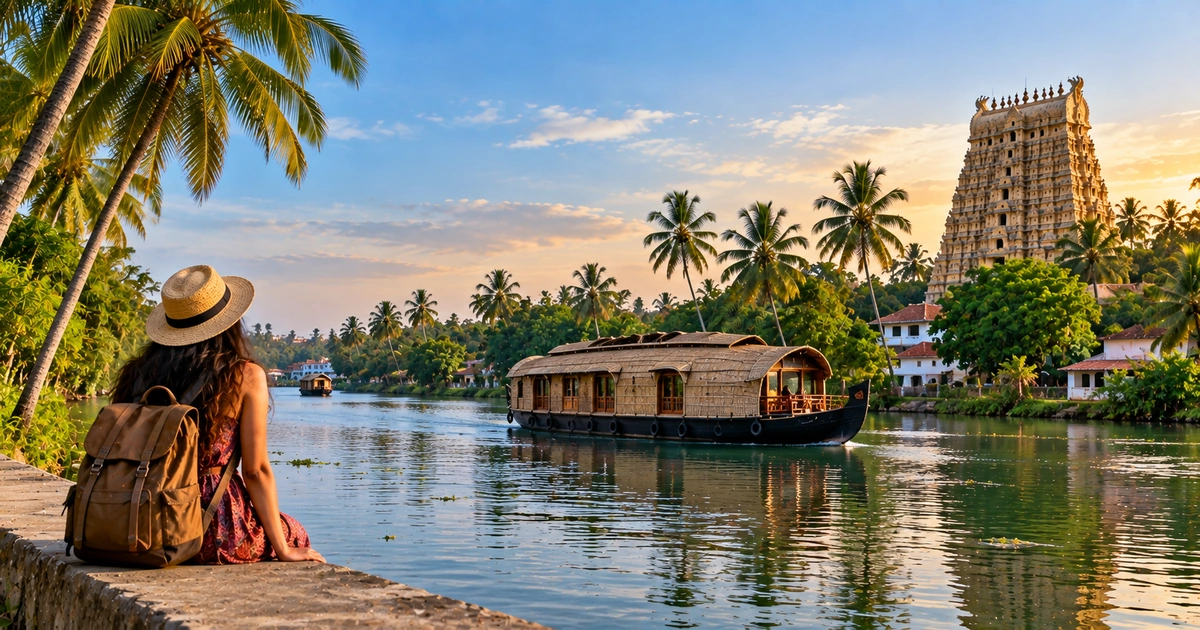 South India generally feels more organized and calmer. Cities are less congested, and daily life follows a predictable routine.
Travelers usually notice:
This makes South India suitable for travelers who prefer relaxed travel, longer stays, and a comfortable pace.
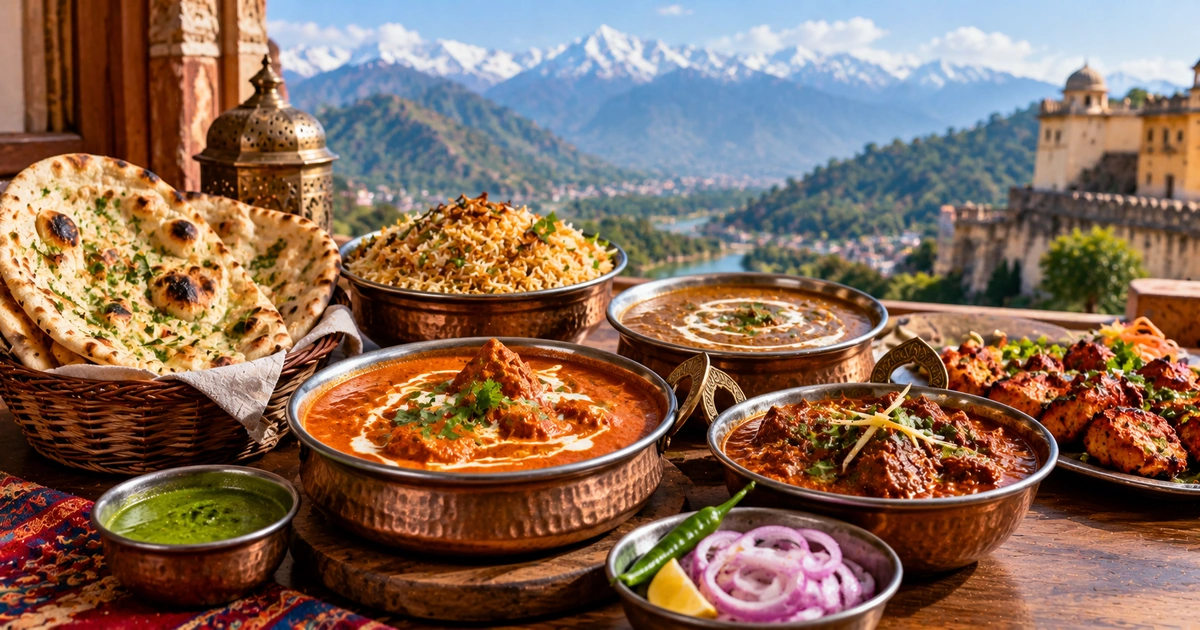 North Indian cuisine offers substantial meals that provide deep satisfaction. The cuisine derives its primary components from wheat and dairy products, together with its slow-cooked gravy dishes.
Common features:
The food is full of flavor if one has it daily, served heavily, particularly in this hot season.
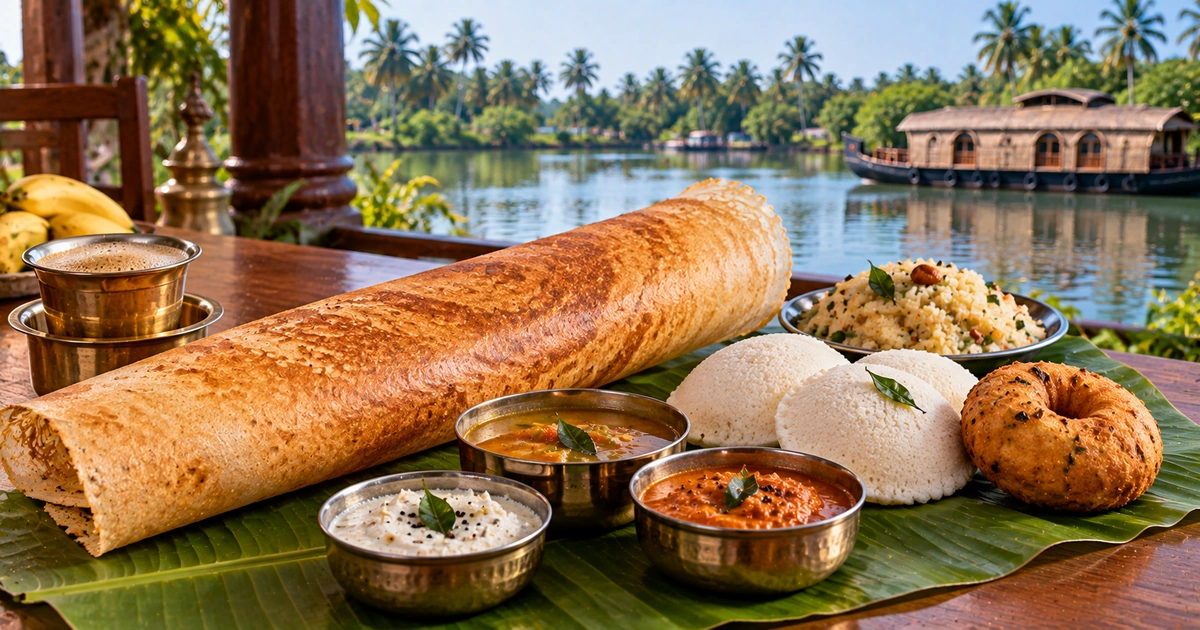 Most of the meals in South India are rice-based which is considered easy on the stomach.
Common features:
Many travelers find South Indian food easier to eat regularly during long trips.
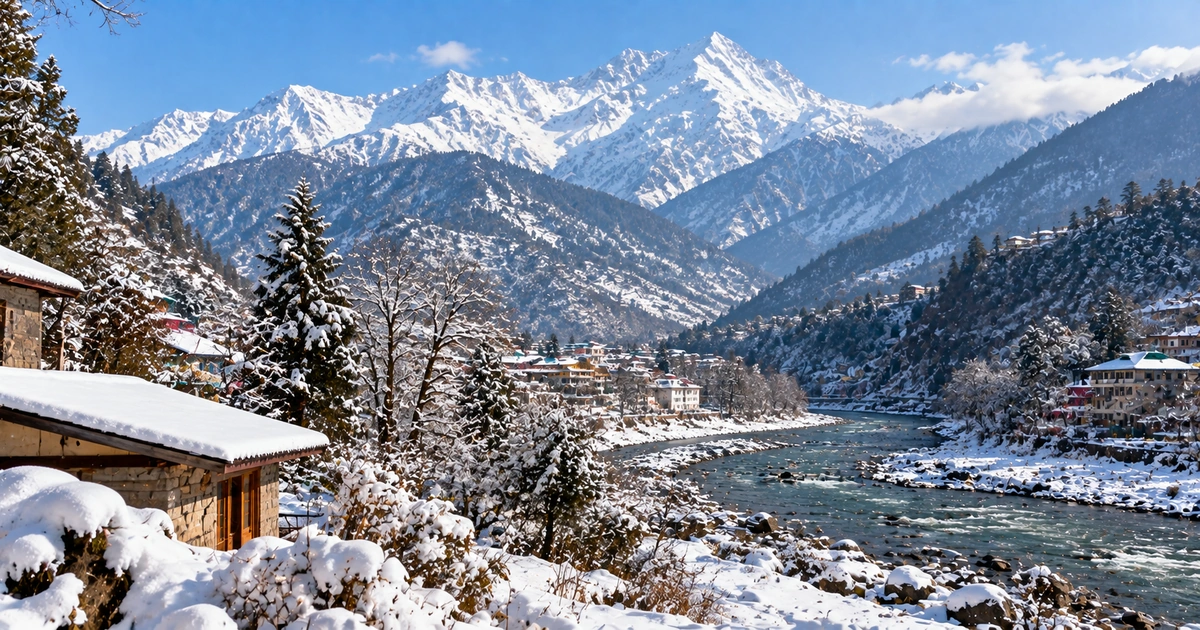 North India experiences strong seasonal changes.
Traveling in peak summer can be physically tiring.
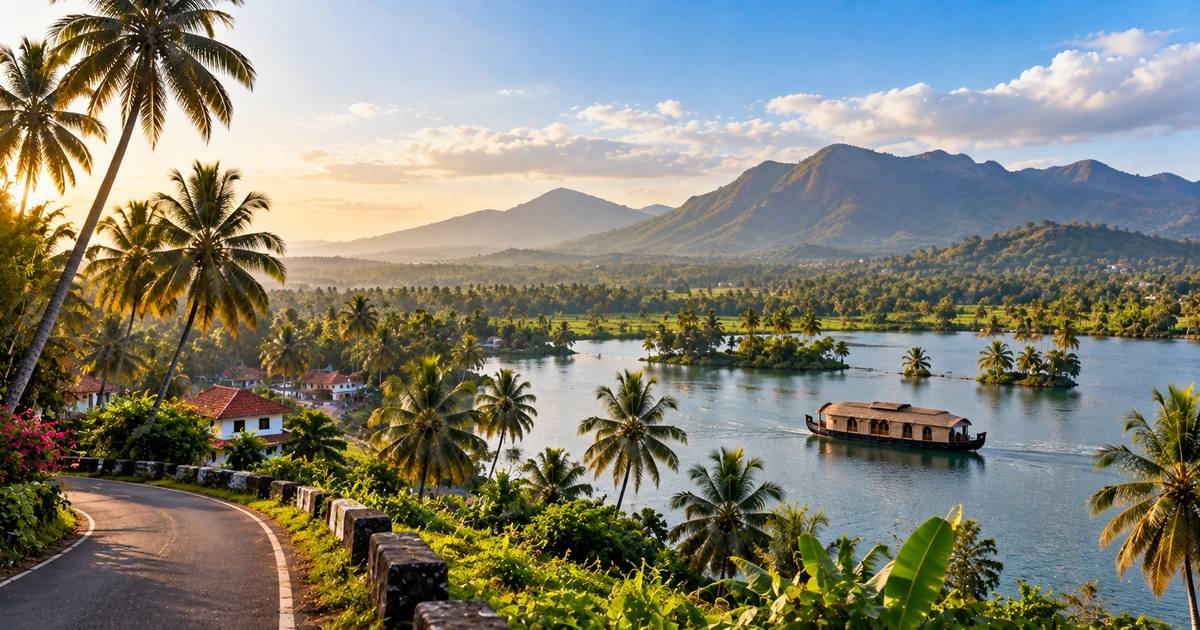 South India has a tropical climate.
South India can be visited almost year-round, with weather being more predictable.
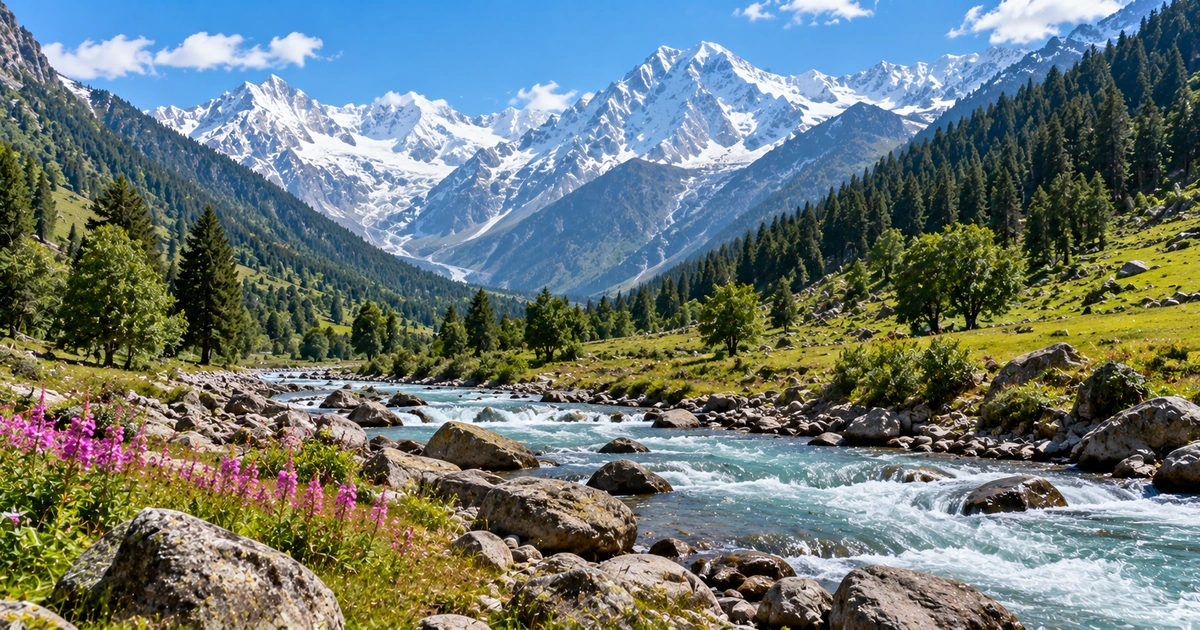 North India is ideal for:
Popular regions include Himalayan areas and wildlife parks such as Ranthambore National Park.
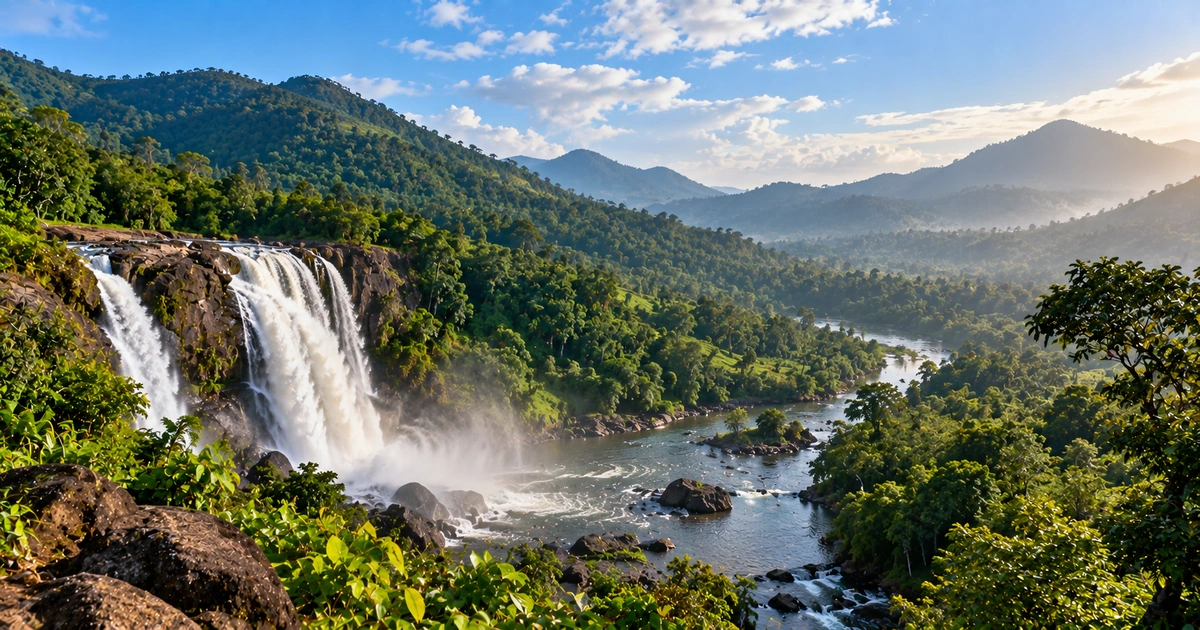 South India offers:
Nature travel here is generally less physically demanding and easier to combine with relaxation.
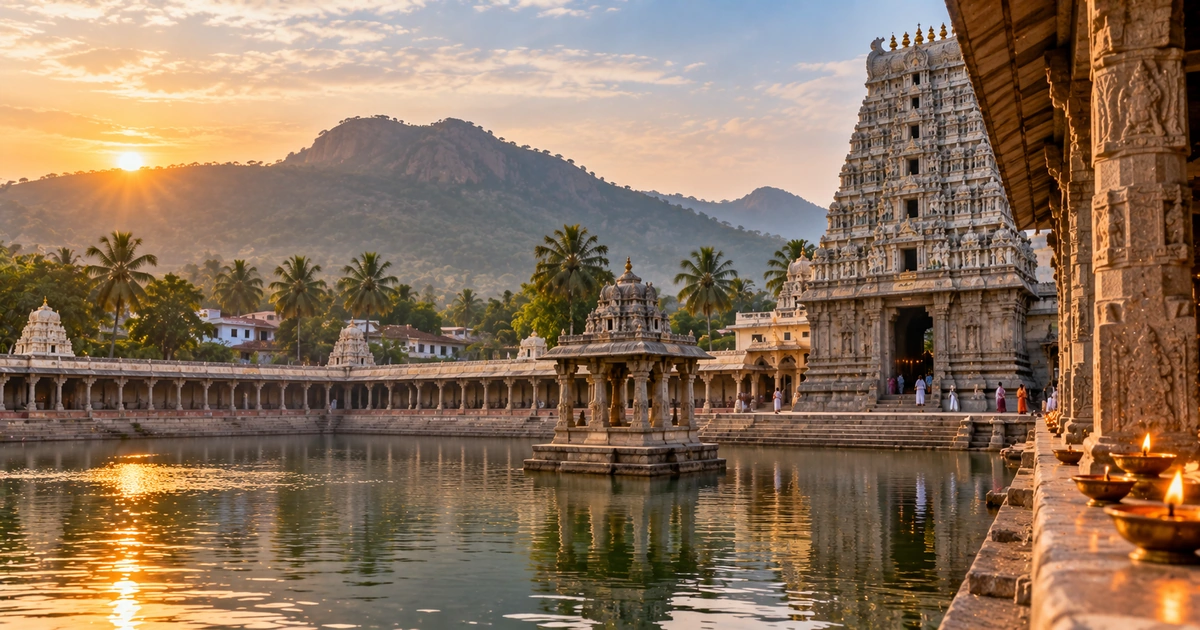 India has been characterised by big open religious events and ceremonies mainly in rivers and great temples in North India. Spiritual experiences are usually charged and saturated.
South India is oriented towards the organisation of temple rites and everyday religious activity. In this spiritual traveling there is silence and austerity.
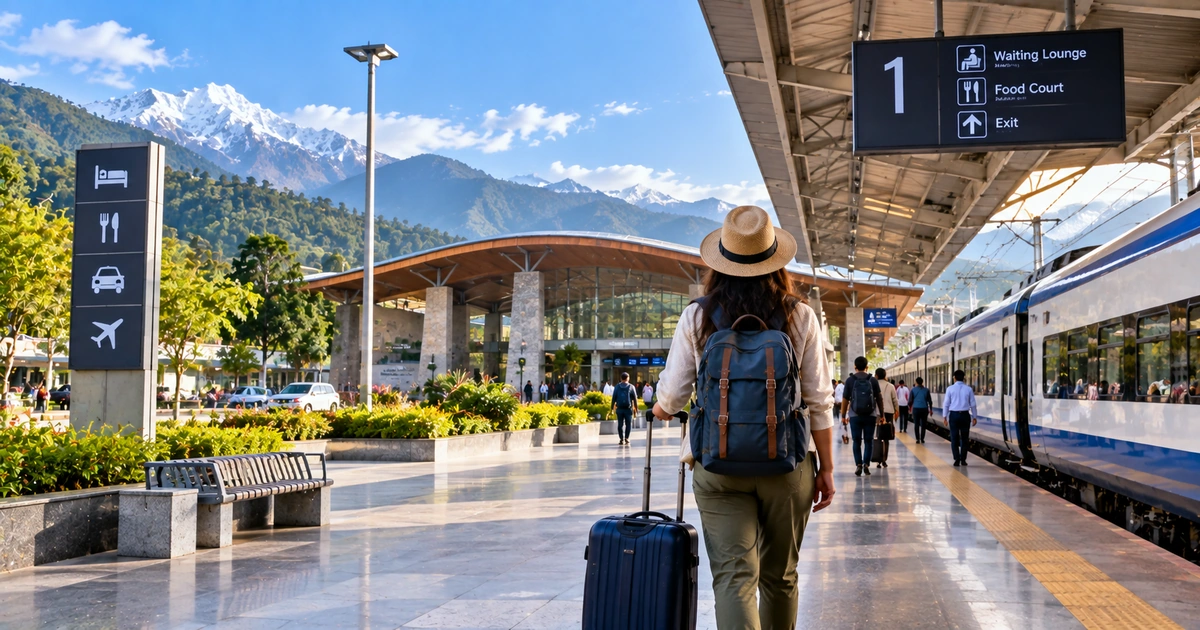 North India is excellent in terms of tourist services, but it might be overcrowded and noisy. South India offers more road services, well-kept places, and consistency in services. South India is common with mid-range hotels and resorts, whereas North India is a destination of heritage hotels.
Choose North India if you:
Choose South India if you:
The two areas have value-added tourism. The most popular destination is not always the best one, depending on your travelling style, pace and comfort expectations.
31 Oct 2026
27 Oct 2026

23 Oct 2026

20 Oct 2026

15 Oct 2026

11 Oct 2026

02 Oct 2026

24 Sep 2026

09 Sep 2026

31 Aug 2026
19 Aug 2026
05 Aug 2026

31 Jul 2026

27 Jul 2026

21 Jul 2026

17 Jul 2026

13 Jul 2026

09 Jul 2026

07 Jul 2026

03 Jul 2026

30 Jun 2026

27 Jun 2026

23 Jun 2026

19 Jun 2026

16 Jun 2026

12 Jun 2026

09 Jun 2026

06 Jun 2026

02 Jun 2026

27 May 2026
 4.9 based on 298 reviews

Rating: 5/5 | 54 Reviews

Rating: 5/5 | 298 Reviews

TrustScore: 4.4 | 11 Reviews